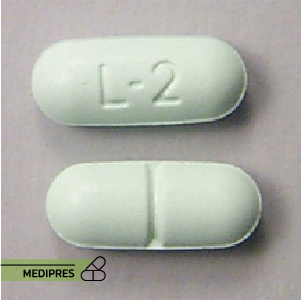

Lamictal CD
23 June, 2023
Lamotrigine ODT
23 June, 2023
Lamivudine
Generic name: lamivudine [ la-MIV-ue-deen ]
Brand names: Epivir, Epivir HBV
Drug class: Antiretrovirals (Nucleoside reverse transcriptase inhibitors)
Dosage form: Tablet, Oral solution
Route of administration: Oral
Dose: Tablet: 150 mg, 300 mg; Oral solution: 10 mg/mL
Mechanism of action: Lamivudine is a nucleoside reverse transcriptase inhibitor (NRTI) that inhibits the reverse transcriptase enzyme, which is essential for the replication of HIV and hepatitis B virus (HBV). This inhibition prevents the viral RNA from being converted into DNA, thereby reducing viral replication.
Drug usage cases: Lamivudine is used to treat HIV-1 infection in combination with other antiretroviral agents and chronic hepatitis B infection.
Drug contra indications: Lamivudine should not be used in patients with known hypersensitivity to the drug or any component of the formulation.
Side effects: Common side effects include headache, nausea, fatigue, and cough. Serious side effects may include:
- Lactic acidosis and hepatomegaly: Risk of severe metabolic disturbances.
- Exacerbation of hepatitis B: Potential for severe liver inflammation upon discontinuation in HBV-infected patients.
- Pancreatitis: Risk of inflammation of the pancreas, particularly in pediatric patients.
- Immune reconstitution syndrome: Risk of inflammatory response in patients beginning antiretroviral therapy.
Warnings: Lamivudine can cause lactic acidosis, severe hepatomegaly, and exacerbation of hepatitis B upon discontinuation. Patients with HIV and HBV co-infection should be closely monitored during and after treatment. Monitoring for pancreatitis is recommended, especially in children.
Use during pregnancy or breastfeeding: Lamivudine is generally considered safe for use during pregnancy and breastfeeding. It is excreted in human milk, but the benefits of breastfeeding outweigh the risks of HIV transmission when used in combination with other antiretrovirals in HIV-infected mothers.