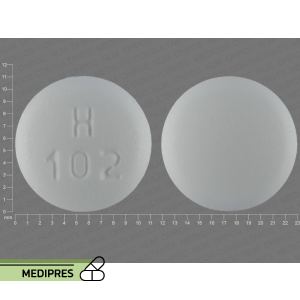

Mesalamine Delayed Release Tablets
23 June, 2023
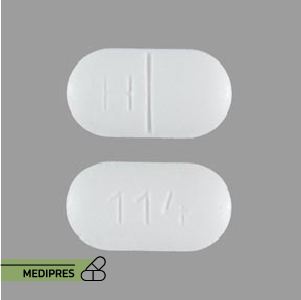
Metformin Extended Release Tablet
23 June, 2023
MetFORMIN (Eqv-Glumetza)
Generic name:
Metformin hydrochloride
Drug class:
Biguanide antidiabetic agent
Dosage form:
- Extended-release tablets (e.g., Glumetza)
- Immediate-release tablets
- Oral solution
Root of administration:
Oral
Dose:
- Immediate-release: Initial dose typically 500 mg twice daily or 850 mg once daily with meals
- Extended-release: Initial dose 500 mg to 1000 mg once daily with evening meal
- Maximum daily dose: Up to 2000-2500 mg depending on formulation and patient tolerance
- Dose adjustment recommended based on renal function and glycemic response
Mechanism of action:
Metformin decreases hepatic glucose production (gluconeogenesis), decreases intestinal absorption of glucose, and improves insulin sensitivity by increasing peripheral glucose uptake and utilization. It does not stimulate insulin secretion.
Drug usage cases:
- Type 2 diabetes mellitus management
- Prevention of type 2 diabetes in high-risk patients (prediabetes)
- Polycystic ovary syndrome (PCOS) – off-label use for insulin resistance and ovulation induction
- Obesity associated with insulin resistance – off-label
- Metabolic syndrome – off-label
Drug contra indications:
- Hypersensitivity to metformin or any component of the formulation
- Severe renal impairment (eGFR <30 mL/min/1.73 m²)
- Acute or chronic metabolic acidosis, including diabetic ketoacidosis
- Conditions associated with hypoxia (e.g., acute heart failure, respiratory failure)
- Severe hepatic impairment
- Alcoholism or chronic alcohol abuse
- Radiologic studies involving intravascular administration of iodinated contrast agents in patients with impaired renal function or other risk factors (temporary discontinuation recommended)
Side effects:
- Gastrointestinal: diarrhea, nausea, vomiting, abdominal discomfort, flatulence, anorexia
- Vitamin B12 deficiency with long-term use
- Lactic acidosis (rare but potentially fatal)
- Rash and hypersensitivity reactions (rare)
- Metallic taste in mouth (transient)
- Hypoglycemia (rare when used as monotherapy)
Warnings:
- Risk of lactic acidosis increases with renal impairment, hypoxia, sepsis, excessive alcohol intake, hepatic impairment, and dehydration; monitor patients carefully
- Regular monitoring of renal function recommended before and during treatment
- Discontinue before iodinated contrast imaging procedures and resume only after renal function is confirmed stable
- Use cautiously in elderly and in patients with conditions predisposing to hypoxia or dehydration
- May cause vitamin B12 deficiency; periodic monitoring advised
- Not recommended for type 1 diabetes mellitus or diabetic ketoacidosis treatment
Use during pregnancy or breastfeeding:
Metformin crosses the placenta but has been used during pregnancy, particularly in women with gestational diabetes or polycystic ovary syndrome. Current evidence suggests it does not increase the risk of congenital anomalies; however, insulin is generally preferred for glucose control in pregnancy. Use during pregnancy should be based on clinical judgment weighing benefits and risks.
Metformin is excreted in breast milk in small amounts but is generally considered compatible with breastfeeding. Monitoring of the infant for adverse effects such as hypoglycemia or gastrointestinal symptoms is recommended.