
Mytelase
23 June, 2023
Naltrexone (Oral)
23 June, 2023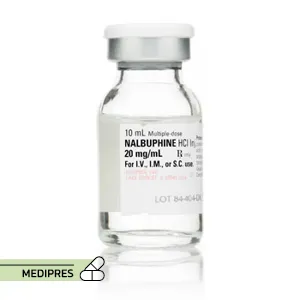
Nalbuphine
Generic name: nalbuphine [ NAL-bue-feen ]
Brand name: Nubain
Drug class: Opioid analgesic (mixed agonist-antagonist)
Dosage form: Injection
Route of administration: Intravenous (IV), Intramuscular (IM), Subcutaneous (SubQ)
Available Dose:
- Injection: 10 mg/mL, 20 mg/mL
Mechanism of action: Nalbuphine is a mixed agonist-antagonist opioid. It acts as an agonist at kappa opioid receptors and as an antagonist at mu opioid receptors. This dual action provides effective analgesia with a lower risk of respiratory depression compared to pure mu opioid agonists.
Drug usage cases: Nalbuphine is used for the relief of moderate to severe pain. It can also be used as an adjunct to balanced anesthesia, for preoperative and postoperative analgesia, and for obstetrical analgesia during labor.
Drug contraindications: Contraindicated in patients with hypersensitivity to nalbuphine or any of its components. It should not be used in patients with respiratory depression, especially in unmonitored settings or without resuscitative equipment, or in patients with acute or severe bronchial asthma or hypercapnia.
Side effects: Common side effects include sedation, sweating, nausea, vomiting, dizziness, and dry mouth. Serious side effects include respiratory depression, severe hypotension, and allergic reactions.
Warnings: Caution is advised in patients with a history of substance abuse, head injury, increased intracranial pressure, and in those with hepatic or renal impairment. Nalbuphine may cause withdrawal symptoms in patients who are physically dependent on opioids.
Use during pregnancy or breastfeeding: Nalbuphine is categorized as a pregnancy category C drug. It should only be used during pregnancy if the potential benefits justify the potential risks. Nalbuphine is excreted in human milk, and caution should be exercised when administered to breastfeeding women.