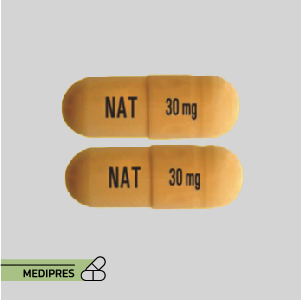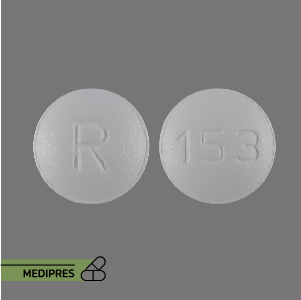

Oxycodone and Acetaminophen Tablets
23 June, 2023
Palgic
23 June, 2023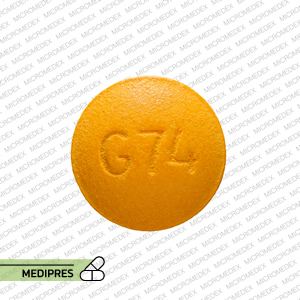
Oxymorphone (Injection)
Generic name:
Oxymorphone
Drug class:
Opioid analgesic; semisynthetic mu-opioid receptor agonist
Dosage form:
Solution for injection (ampules or vials)
Root of administration:
Intravenous; intramuscular; subcutaneous
Dose:
- Adults (opioid-naïve): 0.5–1 mg IV every 4–6 hours as needed
- Adults (opioid-tolerant): 1.5–10 mg IV every 4–6 hours; titrate based on response
- IM/SQ: 1–3 mg every 4–6 hours as needed
- Patient-controlled analgesia (PCA): bolus 0.1–0.2 mg, lockout interval 6–10 minutes
- Pediatric dosing: Varies by indication; consult label.
Mechanism of action:
Oxymorphone binds selectively to central mu-opioid receptors, inhibiting ascending pain pathways, altering perception of and response to pain. It produces analgesia, sedation, and euphoria through central nervous system depression.
Drug usage cases:
- Management of moderate to severe acute pain
- Cancer-related pain requiring parenteral opioid therapy
- Perioperative analgesia
- Patient-controlled analgesia (PCA) in hospitalized patients
- Off-label: severe chronic pain when oral route not feasible
Drug contra indications:
- Hypersensitivity to oxymorphone or any component of the formulation
- Acute or severe bronchial asthma in an unmonitored setting
- Significant respiratory depression
- Paralytic ileus or gastrointestinal obstruction
- Use of MAO inhibitors within 14 days
- Head injury or increased intracranial pressure
- Severe hepatic impairment (dose adjustment required; consult label)
Side effects:
- Respiratory depression
- Hypotension, orthostatic hypotension
- Bradycardia
- Central nervous system depression (sedation, dizziness, somnolence)
- Nausea, vomiting
- Constipation
- Pruritus, sweating
- Headache
- Miosis
- Urinary retention
- Confusion, euphoria or dysphoria
- Dry mouth
- Peripheral edema
- Seizures (rare)
Warnings:
- Risk of addiction, abuse, and misuse, which can lead to overdose and death
- Life-threatening respiratory depression; monitor closely, especially upon initiation or dose escalation
- Accidental ingestion by children can result in fatal overdose
- Neonatal opioid withdrawal syndrome with prolonged use during pregnancy
- Use with caution in patients with head injury or increased intracranial pressure
- May impair mental or physical abilities required for potentially hazardous tasks
- Risk of severe hypotension and syncope in volume-depleted patients
- Concomitant use with benzodiazepines or other CNS depressants increases risk of sedation and respiratory depression
- Adrenal insufficiency and androgen deficiency have been reported with prolonged opioid use
- Monitor for signs of serotonin syndrome if used with serotonergic drugs
- Use in hepatic or renal impairment requires dose adjustment; consult label
Use during pregnancy or breastfeeding:
Prolonged use during pregnancy can result in neonatal opioid withdrawal syndrome, which may be life-threatening if not recognized and treated. Use only if the potential benefit justifies the potential risk to the fetus. Oxymorphone is excreted in human milk and may cause sedation and respiratory depression in nursing infants. Monitor breastfed infants for excess sedation and respiratory depression. Consider the benefits of breastfeeding, the mother’s need for oxymorphone, and potential adverse effects on the breastfed child.