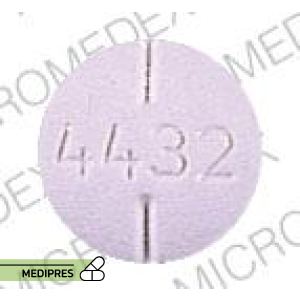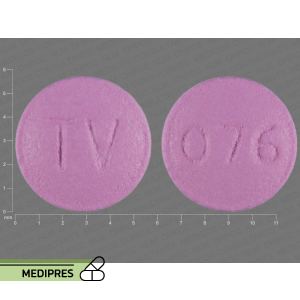

Quinamm
23 June, 2023
Quixin
23 June, 2023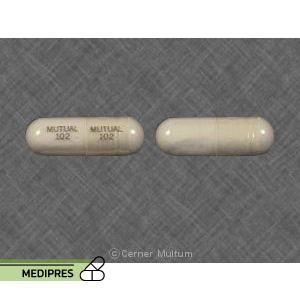
Quinine Sulfate Capsules
Description
Generic name: Quinine Sulfate
Drug class: Antiprotozoals
Dosage form: Capsule
Route of administration: Oral
Dose:
- Adults (≥ 16 years of age): 648 mg (two capsules) every 8 hours for 7 days.
- Patients with severe chronic renal impairment: One loading dose of 648 mg (two capsules) followed 12 hours later by 324 mg (one capsule) every 12 hours for 7 days.
Mechanism of action: Quinine sulfate interferes with the growth and reproduction of the malaria parasite by inhibiting the parasite’s ability to digest hemoglobin, leading to its death.
Drug usage cases:
- Treatment of uncomplicated malaria caused by Plasmodium falciparum.
Drug contraindications:
- Known hypersensitivity to quinine, quinidine, or mefloquine.
- Prolonged QT interval or certain heart rhythm problems (e.g., atrial fibrillation).
- Glucose-6-phosphate dehydrogenase (G6PD) deficiency.
- Myasthenia gravis.
- Optic neuritis.
Side effects:
- Thrombocytopenia (low platelet count).
- Hemolytic anemia.
- QT interval prolongation and ventricular arrhythmias.
- Hypoglycemia (low blood sugar).
- Hypersensitivity reactions, including anaphylaxis, urticaria, and skin rashes.
- Gastrointestinal disturbances such as nausea, vomiting, and abdominal pain.
- Headache, dizziness, and tinnitus.
- Visual disturbances, including blurred vision and diplopia.
- Hearing disturbances, including hearing loss and tinnitus.
- Skin reactions such as rash and pruritus.
- Muscle weakness and myalgia.
- Hypotension (low blood pressure).
- Elevated liver enzymes.
- Hemoglobinuria (presence of hemoglobin in urine).
- Renal impairment.
Warnings:
- Quinine sulfate is not approved for the prevention of malaria, treatment of severe or complicated malaria, or treatment or prevention of nocturnal leg cramps.
- Use with caution in patients with a history of cardiac arrhythmias or QT interval prolongation.
- Monitor for signs of thrombocytopenia and hemolytic anemia; discontinue use if these occur.
- Avoid concomitant use with other drugs known to prolong the QT interval.
- Monitor blood glucose levels, especially in patients with diabetes or those at risk for hypoglycemia.
- Use with caution in patients with hepatic or renal impairment; dosage adjustments may be necessary.
- Discontinue use if signs of hypersensitivity reactions occur.
- Use with caution in patients with a history of myasthenia gravis.
- Monitor for visual and auditory disturbances; discontinue use if these occur.
- Use with caution in patients with a history of seizures.
- Monitor for signs of hemolysis, especially in patients with G6PD deficiency.
Use during pregnancy or breastfeeding:
Quinine sulfate should be used during pregnancy only if the potential benefit justifies the potential risk to the fetus. It is excreted into breast milk; caution should be exercised when administering to nursing mothers. Consult a healthcare provider for personalized advice.