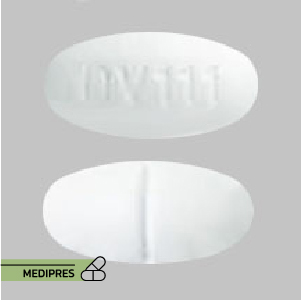

Sulfamethoxazole and Trimethoprim Suspension
23 June, 2023
Sulfisoxazole
23 June, 2023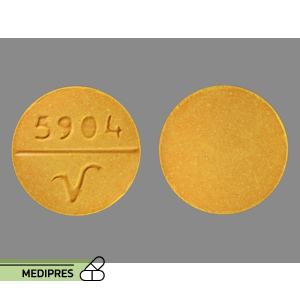
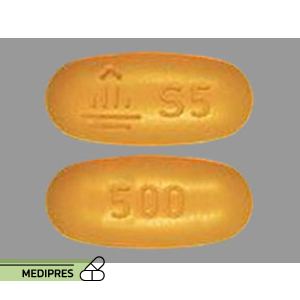
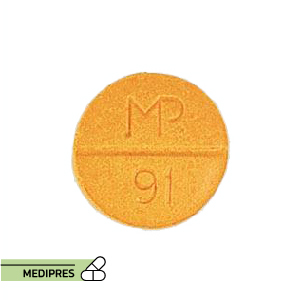
Sulfazine EC
Generic name: sulfasalazine
Drug class: 5-aminosalicylates, Antirheumatics
Dosage form: Enteric-coated tablets
Root of administration: Oral
Dose:
- Adults: Initial dose of 500 to 1000 mg per day, divided into 2 doses; maintenance dose of 2000 mg per day.
- Children 6 years and older: Dose based on body weight, typically 30 to 50 mg per kg per day, divided into 2 doses; maintenance dose of 30 mg per kg per day, divided into 4 doses.
- Children 2 to 5 years: Dose must be determined by a healthcare provider.
- Children under 2 years: Use and dose must be determined by a healthcare provider.
Mechanism of action: Sulfasalazine is metabolized into 5-aminosalicylic acid (5-ASA) and sulfapyridine. The 5-ASA component exerts anti-inflammatory effects in the colon, while sulfapyridine may contribute to the therapeutic effects in rheumatoid arthritis.
Drug usage cases:
- Treatment of ulcerative colitis
- Maintenance of remission in ulcerative colitis
- Treatment of rheumatoid arthritis in adults
- Treatment of polyarticular juvenile idiopathic arthritis in children
Drug contraindications:
- Hypersensitivity to sulfasalazine, sulfonamides, or salicylates
- Intestinal or urinary tract obstruction
- Porphyria
Side effects:
- Gastrointestinal: Nausea, vomiting, abdominal discomfort, diarrhea, loss of appetite
- Headache
- Rash
- Photosensitivity
- Reversible oligospermia in men
- Urine discoloration (orange-yellow tint)
- Elevated liver enzymes
- Blood dyscrasias (e.g., leukopenia, thrombocytopenia)
- Interstitial lung disease
- Hepatitis
- Pancreatitis
- Stevens-Johnson syndrome
- Hemolytic anemia in G6PD-deficient individuals
Warnings:
- Monitor blood counts and liver function tests regularly
- Use caution in patients with pre-existing liver or kidney disease
- May cause reversible infertility in men
- Use with caution in patients with asthma or sulfonamide allergies
- May cause skin sensitivity to sunlight; advise patients to use sun protection
- Discontinue if signs of blood dyscrasias or severe skin reactions occur
- Not recommended during pregnancy unless clearly needed; may affect sperm count in men
- Use with caution during breastfeeding; monitor for diarrhea in infants
Use during pregnancy or breastfeeding:
Pregnancy: Sulfasalazine is classified as a Category B medication, indicating no evidence of risk in animal studies, but there are no adequate and well-controlled studies in pregnant women. It should be used during pregnancy only if the potential benefit justifies the potential risk to the fetus. Additionally, sulfasalazine may affect sperm count in men, potentially impacting fertility. This effect is generally reversible upon discontinuation of the drug.
Breastfeeding: Sulfasalazine is excreted in breast milk. While adverse effects in nursing infants are rare, caution is advised. If a nursing mother requires sulfasalazine, the infant should be monitored for diarrhea. The decision to continue breastfeeding should be made after considering the potential benefits and risks.