
Thiola Tablets
23 June, 2023
Tiagabine
23 June, 2023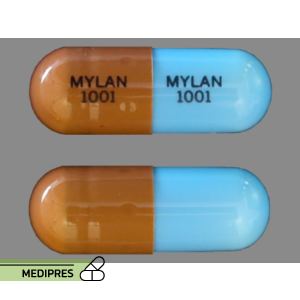
Thiothixene
Generic name:
Thiothixene
Drug class:
Typical antipsychotic (thioxanthene derivative)
Dosage form:
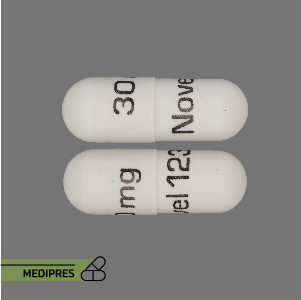
Capsules: 5 mg, 10 mg, 25 mg
Root of administration:
Oral
Dose:
Typical adult initial: 2–4 mg twice daily, gradually increased; usual range 5–60 mg/day divided; maximum 60 mg/day. Adjust based on response and tolerance. Pediatrics and geriatrics: lower dosing. Varies by indication; consult label.
Mechanism of action:
Primarily antagonizes dopamine D2 receptors in the central nervous system; also antagonizes alpha-1 adrenergic and histamine H1 receptors, with lesser muscarinic receptor blockade, producing antipsychotic and sedative effects.
Drug usage cases:
- Schizophrenia (positive symptoms)
- Schizoaffective disorder
- Acute psychosis
- Adjunctive treatment in mania (off-label)
- Severe agitation or behavioral disturbances (off-label)
- Delirium (off-label)
Drug contra indications:
- Hypersensitivity to thiothixene or phenothiazines
- Comatose or severely depressed central nervous system states
- Bone marrow depression
- Subcortical brain damage
- Severe cardiovascular disease or known QT prolongation
- Angle-closure glaucoma
- Paralytic ileus
- Pheochromocytoma
- Breast cancer (history, due to hyperprolactinemia risk)
Side effects:
- Extrapyramidal symptoms: acute dystonia, parkinsonism, akathisia, tardive dyskinesia
- Neuroleptic malignant syndrome
- Orthostatic hypotension
- Anticholinergic effects: dry mouth, blurred vision, constipation, urinary retention
- Sedation, somnolence
- Weight gain, metabolic changes
- Hyperprolactinemia: galactorrhea, gynecomastia, amenorrhea
- QT prolongation, arrhythmias
- Seizures
- Photosensitivity reactions
- Skin rash
- Leukopenia, neutropenia, agranulocytosis (rare)
- Elevated liver enzymes
- Sexual dysfunction
Warnings:
- Increased mortality in elderly patients with dementia-related psychosis
- Risk of tardive dyskinesia with long-term use
- Risk of neuroleptic malignant syndrome
- Orthostatic hypotension risk; monitor blood pressure
- Lowered seizure threshold
- Photosensitivity; sun protection recommended
- Caution in cardiovascular, hepatic, or renal impairment
- Agranulocytosis risk; monitor blood counts periodically
- Avoid abrupt discontinuation to prevent withdrawal symptoms
Use during pregnancy or breastfeeding:
Pregnancy category C; administer only if benefits outweigh risks. Potential for neonatal extrapyramidal and withdrawal symptoms if used in third trimester; monitor neonate. Breastfeeding: excreted in breast milk; may cause sedation and extrapyramidal effects in infant; advise against breastfeeding or monitor closely.