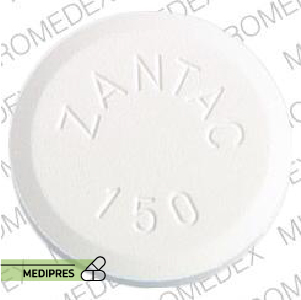

Zantac Injection
23 June, 2023
Zelboraf
23 June, 2023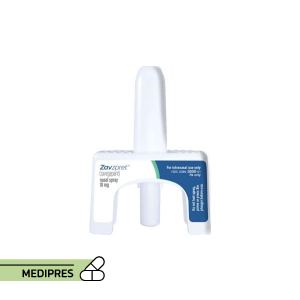
Zavzpret
Description
Generic name:
Zavegepant
Drug class:
Calcitonin gene-related peptide (CGRP) receptor antagonist
Dosage form:
Intranasal spray: 10 mg/0.1 mL single-dose spray device
Route of administration:
Intranasal
Dose:
- Initial dose: 10 mg (one spray in one nostril)
- May repeat once after ≥15 minutes if symptoms persist
- Maximum total dose: 20 mg in 24 hours (two sprays)
- Mild to moderate hepatic impairment: no adjustment required
- Severe hepatic impairment: avoid use
- Renal impairment: no dosage adjustment recommended
Mechanism of action:
Zavegepant selectively antagonizes the CGRP receptor, inhibiting CGRP-mediated vasodilation and neurogenic inflammation in trigeminovascular pathways involved in migraine pathophysiology.
Drug usage cases:
- Acute treatment of migraine (with or without aura) in adults
- Off-label: cluster headache (limited clinical data)
Drug contraindications:
- Hypersensitivity to zavegepant or any component of the formulation
- Severe hepatic impairment (Child-Pugh Class C)
Side effects:
- Dysgeusia (altered or unpleasant taste)
- Nasal discomfort or irritation
- Nasopharyngitis
- Nausea
- Vomiting
- Hyperhidrosis
- Astenia
- Hypersensitivity reactions (e.g., rash, urticaria, dyspnea)
Warnings:
- Hypersensitivity: monitor for signs of allergic reactions, including anaphylaxis
- Hepatic impairment: avoid in severe; use with caution in moderate
- Drug interactions: strong CYP3A4 inhibitors may increase zavegepant exposure
- Pediatric use: safety and efficacy not established in patients <18 years
- Limit total daily dose to ≤20 mg in 24 hours
Use during pregnancy or breastfeeding:
Data in pregnant women are limited. Animal reproduction studies have not demonstrated direct fetal harm, but human safety is unknown. Use only if potential maternal benefit justifies potential fetal risk. It is unknown whether zavegepant is excreted in human milk; caution is advised when administered to breastfeeding women. Monitor breastfed infants for adverse reactions.