
Zinc acetate
23 June, 2023
Zithromax (Azithromycin Oral)
23 June, 2023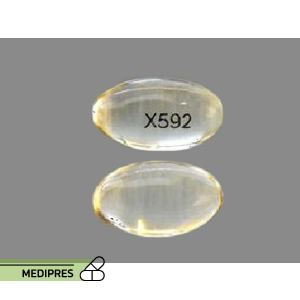
Zipsor
Generic name:
Diclofenac potassium
Drug class:
Nonsteroidal anti-inflammatory drug (NSAID)
Dosage form:
Soft gelatin capsules, 25 mg
Route of administration:
Oral
Dose:
Typical adult dose: 25 mg every 6 hours as needed for acute pain; maximum 150 mg/day. Doses may be adjusted based on clinical response and tolerability.
Mechanism of action:
Diclofenac potassium reversibly inhibits cyclooxygenase (COX-1 and COX-2), decreasing prostaglandin synthesis and reducing inflammation and pain.
Drug usage cases:
- Relief of acute mild to moderate pain
- Musculoskeletal pain (e.g., strains, sprains)
- Dysmenorrhea
- Dental pain (off-label)
- Migraine and tension headaches (off-label)
- Postoperative pain (off-label, non–coronary bypass)
Drug contra indications:
- Hypersensitivity to diclofenac or other NSAIDs
- Aspirin- or NSAID-induced asthma, urticaria, or allergic-type reactions
- Perioperative pain in the setting of coronary artery bypass graft (CABG) surgery
- Active or history of peptic ulcer disease or gastrointestinal bleeding
- Severe hepatic or renal impairment
- Congestive heart failure NYHA III/IV
- History of cerebrovascular bleeding or hemorrhagic diathesis
Side effects:
- Gastrointestinal: dyspepsia, abdominal pain, nausea, vomiting, diarrhea, constipation, flatulence, GI ulceration, bleeding, perforation
- Central nervous system: headache, dizziness, drowsiness
- Cardiovascular: hypertension, edema, palpitations
- Hepatic: elevated liver enzymes (ALT, AST), hepatotoxicity, jaundice
- Renal: increased blood urea nitrogen (BUN), creatinine, renal impairment
- Hematologic: anemia, prolonged bleeding time, thrombocytopenia
- Dermatologic: rash, pruritus, photosensitivity reactions
- Respiratory: bronchospasm in susceptible individuals
- Hypersensitivity: anaphylaxis, angioedema
Warnings:
- Cardiovascular risk: increased risk of myocardial infarction and stroke; avoid in patients with established cardiovascular disease unless benefits outweigh risks
- Gastrointestinal risk: risk of serious GI bleeding, ulceration, perforation; monitor for abdominal pain, melena
- Renal risk: monitor renal function; may cause fluid retention and renal impairment
- Hepatic risk: monitor liver enzymes; discontinue if clinical signs of liver dysfunction
- Serious skin reactions: Stevens-Johnson syndrome, toxic epidermal necrolysis
- Hematologic effects: anemia, prolonged bleeding; monitor CBC
- Anaphylactoid reactions: may occur in patients without prior exposure
- Pregnancy: avoid in late pregnancy (see section below)
Use during pregnancy or breastfeeding:
Pregnancy: Category C until 30 weeks gestation; Category D after 30 weeks due to risk of premature closure of the ductus arteriosus, oligohydramnios, and pulmonary hypertension in the fetus. Avoid use in the third trimester.
Breastfeeding: Diclofenac is excreted in breast milk in low concentrations. Use with caution; consider discontinuation of nursing or the drug, taking into account the importance of the medication to the mother.