
Zofran injection
23 June, 2023
Zolpidem (Oral)
23 June, 2023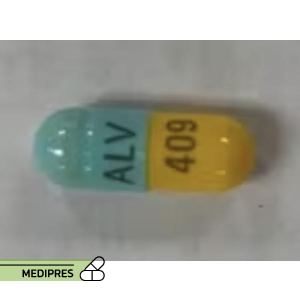
Zohydro ER Capsules
Generic name: Hydrocodone bitartrate
Drug class: Opioid analgesic
Dosage form: Extended-release capsules
Root of administration: Oral
Dose: Initial dose: 10 mg orally every 12 hours. Dosage may be adjusted based on individual patient needs and response. Maximum recommended daily dose: 80 mg.
Mechanism of action: Hydrocodone is a semi-synthetic opioid that binds to opioid receptors in the central nervous system, altering the perception and response to pain.
Drug usage cases:
- Management of severe pain requiring daily, around-the-clock, long-term opioid treatment when alternative treatments are inadequate.
Drug contraindications:
- Hypersensitivity to hydrocodone or any component of the formulation.
- Acute or severe bronchial asthma or hypercapnia in an unmonitored setting or without resuscitative equipment.
- Known or suspected gastrointestinal obstruction, including paralytic ileus.
- Concurrent use with monoamine oxidase inhibitors (MAOIs) or within 14 days of stopping such treatment.
Side effects:
- Common: Constipation, nausea, somnolence, fatigue, headache, dizziness, dry mouth, vomiting, pruritus, abdominal pain, peripheral edema, upper respiratory tract infection, muscle spasms, urinary tract infection, back pain, tremor.
- Serious: Respiratory depression, hypotension, serotonin syndrome, adrenal insufficiency, increased intracranial pressure, seizures, risk of abuse, misuse, and addiction.
Warnings:
- Risk of addiction, abuse, and misuse, which can lead to overdose and death. Assess each patient’s risk before prescribing and monitor regularly for development of these behaviors or conditions.
- Serious, life-threatening, or fatal respiratory depression may occur. Monitor closely, especially upon initiation or following a dose increase. Instruct patients to swallow Zohydro ER whole to avoid exposure to a potentially fatal dose of hydrocodone.
- Accidental ingestion, especially in children, can result in a fatal overdose of hydrocodone.
- Prolonged use during pregnancy can result in neonatal opioid withdrawal syndrome, which may be life-threatening if not recognized and treated. If opioid use is required for a prolonged period in a pregnant woman, advise the patient of the risk of neonatal opioid withdrawal syndrome and ensure that appropriate treatment will be available.
- Concomitant use with benzodiazepines or other central nervous system depressants increases the risk of respiratory depression, coma, and death. Reserve concomitant prescribing for patients for whom alternative treatment options are inadequate.
- Use with caution in patients with a history of substance abuse or mental health disorders.
- Monitor for signs of misuse, abuse, and addiction during therapy.
- Discontinue use if signs of misuse, abuse, or addiction develop.
Use during pregnancy or breastfeeding:
Hydrocodone is classified as a Category C drug for pregnancy, indicating that risk cannot be ruled out. Prolonged use during pregnancy can result in neonatal opioid withdrawal syndrome, which may be life-threatening if not recognized and treated. If opioid use is required for a prolonged period in a pregnant woman, advise the patient of the risk of neonatal opioid withdrawal syndrome and ensure that appropriate treatment will be available. Hydrocodone is excreted in human milk. Caution should be exercised when administering Zohydro ER to a nursing woman due to the potential for serious adverse reactions in nursing infants.