
Zypitamag
23 June, 2023
Jolivette
6 January, 2024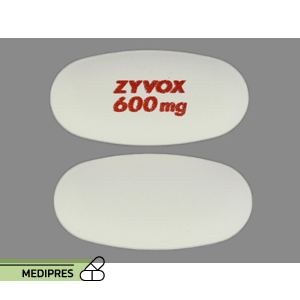
Zyvox Injection
Generic name: Linezolid
Drug class: Oxazolidinone-class antibacterial
Dosage form: Injection
Route of administration: Intravenous (IV) infusion
Dose:
- Adults and adolescents (12 years and older): 600 mg twice daily (every 12 hours) administered via IV infusion over 30 to 120 minutes.
- Children up to 12 years of age: 10 mg/kg three times daily (every 8 hours) administered via IV infusion over 30 to 120 minutes.
Mechanism of action: Linezolid inhibits bacterial protein synthesis by binding to the 23S ribosomal RNA of the 50S subunit, preventing the formation of a functional 70S initiation complex, thereby halting bacterial growth.
Drug usage cases:
- Nosocomial pneumonia
- Community-acquired pneumonia
- Complicated skin and skin structure infections, including diabetic foot infections without concomitant osteomyelitis
- Uncomplicated skin and skin structure infections
- Vancomycin-resistant Enterococcus faecium infections
Drug contraindications:
- Known hypersensitivity to linezolid or any of its components
- Concurrent use of monoamine oxidase inhibitors (MAOIs) or within two weeks of discontinuing an MAOI
Side effects:
- Myelosuppression (including anemia, leukopenia, pancytopenia, and thrombocytopenia)
- Peripheral and optic neuropathy
- Serotonin syndrome, especially when used with serotonergic agents
- Elevated blood pressure, particularly in patients consuming foods high in tyramine
- Hypoglycemia in diabetic patients
- Hyponatremia and/or syndrome of inappropriate antidiuretic hormone secretion (SIADH)
- Rhabdomyolysis
Warnings:
- Monitor complete blood counts weekly during therapy, especially in patients with pre-existing myelosuppression or those receiving concomitant drugs that suppress bone marrow
- Discontinue therapy if myelosuppression occurs or worsens
- Monitor visual function in patients receiving treatment for 3 months or longer; discontinue if visual symptoms occur
- Monitor blood pressure regularly; avoid foods and beverages high in tyramine during treatment
- Monitor blood glucose levels in diabetic patients; adjust therapy as needed
- Monitor serum sodium levels, particularly in elderly patients or those on diuretics
- Discontinue therapy if rhabdomyolysis occurs
Use during pregnancy or breastfeeding:
Pregnancy: Linezolid should be used during pregnancy only if the potential benefit justifies the potential risk to the fetus. There are no adequate and well-controlled studies in pregnant women. Animal studies have shown adverse effects on the fetus, but these findings may not be directly applicable to humans.
Breastfeeding: It is not known whether linezolid is excreted in human milk. Due to the potential for serious adverse reactions in nursing infants, a decision should be made whether to discontinue nursing or discontinue the drug, taking into account the importance of the drug to the mother.