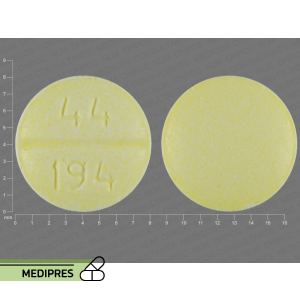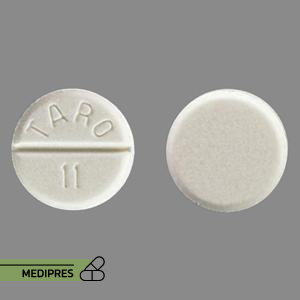

Cyclobenzaprine
23 June, 2023
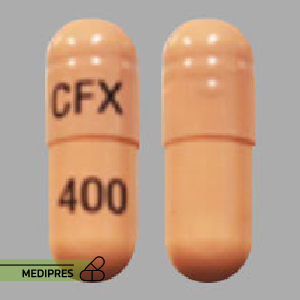
Delzicol
23 June, 2023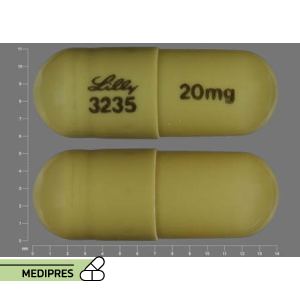
Cymbalta
Generic name:
Duloxetine
Drug class:
Serotonin-norepinephrine reuptake inhibitor (SNRI)
Dosage form:
Hard gelatin capsules (delayed-release): 20 mg, 30 mg, 60 mg
Route of administration:
Oral
Dose:
Major depressive disorder: 40–60 mg once daily (may increase to 120 mg/day). Generalized anxiety disorder: 30–60 mg once daily. Diabetic peripheral neuropathic pain: 60 mg once daily. Fibromyalgia: 30 mg once daily for 1 week, then 60 mg once daily. Chronic musculoskeletal pain: 60 mg once daily. Stress urinary incontinence: 40–80 mg/day (varies by region). Dose adjustments required in hepatic/renal impairment. Varies by indication; consult label.
Mechanism of action:
Duloxetine is a potent and selective inhibitor of serotonin and norepinephrine reuptake in the central nervous system, with weak inhibition of dopamine reuptake, leading to increased synaptic levels of these neurotransmitters and modulation of pain and mood pathways.
Drug usage cases:
- Major depressive disorder (MDD)
- Generalized anxiety disorder (GAD)
- Diabetic peripheral neuropathic pain (DPNP)
- Fibromyalgia syndrome
- Chronic musculoskeletal pain (e.g., low back pain, osteoarthritis)
- Stress urinary incontinence (off-label/varies by region)
- Off-label uses: chemotherapy-induced neuropathy, migraine prophylaxis
Drug contra indications:
- Hypersensitivity to duloxetine or excipients
- Use of monoamine oxidase inhibitors (MAOIs) or within 5 days of MAOI discontinuation
- Concomitant use with linezolid or intravenous methylene blue
- Uncontrolled narrow-angle glaucoma
- Severe hepatic impairment
Side effects:
- Nausea, dry mouth, constipation
- Somnolence, insomnia, dizziness
- Fatigue, headache
- Reduced appetite, weight loss
- Increased sweating
- Sexual dysfunction (e.g., erectile dysfunction, decreased libido)
- Increased blood pressure, tachycardia
- Orthostatic hypotension
- Hyponatremia (SIADH)
- Hepatotoxicity (elevated liver enzymes)
- Bleeding risk (GI bleeding)
- Serotonin syndrome
- Mania/hypomania activation
- Seizures
- Discontinuation syndrome (dizziness, sensory disturbances, irritability)
Warnings:
- Increased risk of suicidal thoughts and behavior in children, adolescents, and young adults
- Serotonin syndrome with concomitant serotonergic agents
- Hepatic injury; avoid in active liver disease
- Monitor blood pressure regularly
- Discontinuation syndrome: taper gradually
- Risk of bleeding, especially with NSAIDs, aspirin or anticoagulants
- Activation of mania/hypomania in bipolar disorder
- Angle-closure glaucoma risk due to pupillary dilation
- Hyponatremia, especially in elderly or on diuretics
- Seizure threshold may be lowered
- Orthostatic hypotension and syncope
- Potential interference with glycemic control in diabetic patients
Use during pregnancy or breastfeeding:
Pregnancy: Animal studies have shown developmental toxicity at high doses; human data are limited. Late pregnancy exposure may increase risk of neonatal adaptation syndrome (respiratory distress, hypoglycemia, feeding difficulty) and persistent pulmonary hypertension of the newborn (PPHN). Use only if potential benefit justifies potential risk to fetus.
Breastfeeding: Duloxetine is excreted in breast milk. Monitor nursing infants for irritability, poor feeding, or somnolence. Consider discontinuation of breastfeeding or the drug if adverse effects on the infant are suspected.