
Genvoya
23 June, 2023
Glimepiride
23 June, 2023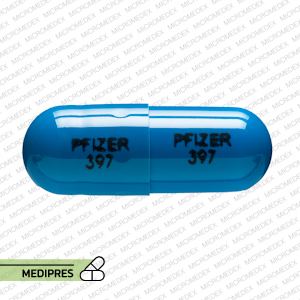
Geodon
Generic name: Ziprasidone
Drug class: Atypical antipsychotics
Dosage form: Capsules, oral suspension, intramuscular injection
Route of administration: Oral, intramuscular
Dose: For schizophrenia, the typical starting dose is 20 mg twice daily, titrated up to 80 mg twice daily. For acute manic or mixed episodes of bipolar disorder, the initial dose is 40 mg twice daily, increased to 60–80 mg twice daily as needed.
Mechanism of action: Ziprasidone is an atypical antipsychotic that antagonizes dopamine D2 and serotonin 5-HT2A receptors, partially agonizes 5-HT1A receptors, and inhibits the reuptake of serotonin and norepinephrine, contributing to its therapeutic effects.
Drug usage cases:
- Schizophrenia
- Acute manic or mixed episodes of bipolar disorder
- Maintenance treatment of bipolar disorder when added to lithium or valproate
- Acute agitation in schizophrenia (intramuscular form)
Drug contraindications:
- Hypersensitivity to ziprasidone or any component of the formulation
- Concurrent use with monoamine oxidase inhibitors (MAOIs) or within 14 days of discontinuing an MAOI
- Known history of QT interval prolongation or arrhythmias
- Recent myocardial infarction
- Severe heart failure
- Concurrent use with other QT-prolonging agents (e.g., dofetilide, sotalol, quinidine, mesoridazine, thioridazine, chlorpromazine, droperidol, pimozide, sparfloxacin, gatifloxacin, moxifloxacin, halofantrine, mefloquine, pentamidine, arsenic trioxide, levomethadyl acetate, dolasetron mesylate, probucol, tacrolimus)
Side effects:
- Dizziness
- Drowsiness
- Headache
- Nausea
- Vomiting
- Tremors
- Restlessness
- Weight gain
- Dry mouth
- Agitation
- Insomnia
- Muscle stiffness
- Blurred vision
- Runny nose
- Cough
- Fever
- Swollen lymph nodes
- Skin rash
- Elevated blood sugar levels
- Elevated cholesterol levels
- Elevated triglyceride levels
- Elevated prolactin levels
- Sexual dysfunction
- QT interval prolongation
- Neuroleptic malignant syndrome
- Tardive dyskinesia
- Seizures
- Suicidal thoughts or behaviors
- Drug Reaction with Eosinophilia and Systemic Symptoms (DRESS)
Warnings:
- Monitor for signs of QT interval prolongation; consider ECG prior to initiation and periodically during treatment
- Use caution in patients with a history of seizures
- Monitor for signs of neuroleptic malignant syndrome
- Monitor for signs of tardive dyskinesia
- Monitor for signs of DRESS; discontinue if suspected
- Use caution in patients with diabetes; monitor blood glucose levels regularly
- Use caution in patients with cardiovascular disease; monitor for signs of heart failure
- Use caution in elderly patients; increased risk of death in those with dementia-related psychosis
- Use caution in patients with a history of breast cancer
- Use caution in patients with a history of irregular heartbeat or rhythm
- Use caution in patients with a history of heart attack or stroke
- Use caution in patients with liver disease
- Use caution in patients with low blood pressure
- Use caution in patients with low levels of potassium or magnesium in the blood
- Use caution in patients with Parkinson’s disease
- Use caution in patients with suicidal thoughts, plans, or attempts
- Use caution in patients with trouble swallowing
- Use caution in patients with a history of muscle stiffness, shaking, tardive dyskinesia, neuroleptic malignant syndrome, or weight gain caused by a medication
- Use caution in patients with a history of anxiety, confusion, dizziness, fast, irregular, or pounding heartbeat, heart failure, muscle pain, pneumonia, respiratory tract infection, restlessness, somnolence, unusual movements that you can’t control, or weight gain
Use during pregnancy or breastfeeding:
Ziprasidone is classified as a Category C medication for pregnancy, indicating that risk to the fetus cannot be ruled out. It should be used during pregnancy only if the potential benefit justifies the potential risk to the fetus. It is not known whether ziprasidone is excreted in human breast milk. Due to the potential for serious adverse reactions in nursing infants, a decision should be made whether to discontinue nursing or discontinue the drug, taking into account the importance of the drug to the mother.