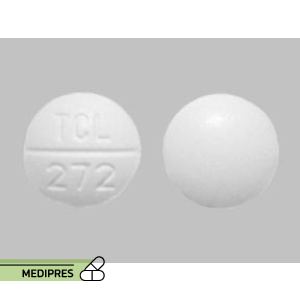

Glipizide
23 June, 2023
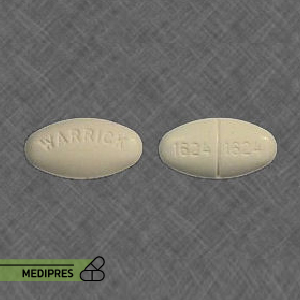
Glycopyrrolate
23 June, 2023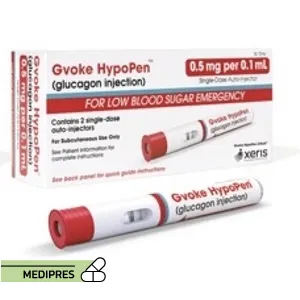
Glucagon
Generic name: glucagon (injection) [ GLOO-ka-gon ]
Brand name: Glucagon Emergency Kit for Low Blood Sugar
Drug Class: Hormone, Antihypoglycemic Agent
Dosage Form: Injectable Solution, Nasal Powder
Route of Administration: Intramuscular, Intravenous, Subcutaneous, Nasal
Dose:
- Injectable Solution: Typically administered as a single dose of 1 mg
- Nasal Powder: Single dose of 3 mg
Mechanism of Action: Glucagon increases blood glucose levels by stimulating glycogenolysis and gluconeogenesis in the liver. It essentially helps to break down stored glycogen to glucose, which is then released into the bloodstream.
Drug Usage Cases: Glucagon is used as an emergency treatment for severe hypoglycemia when a person with diabetes cannot consume sugar orally. It is also used as a diagnostic aid in radiologic examinations to relax smooth muscle.
Drug Contraindications: Contraindicated in patients with known hypersensitivity to glucagon or any component of the formulation, pheochromocytoma, or insulinoma.
Side Effects: Common side effects include nausea and vomiting when recovering from hypoglycemia. Nasal irritation may occur with the nasal powder form.
Warnings: Glucagon should be used with caution in patients with adrenal insufficiency or chronic hypoglycemia because it requires glycogen reserves to be effective.
Use During Pregnancy or Breastfeeding: Glucagon is classified under FDA Pregnancy Category B. Animal studies have not shown adverse effects, but there are no adequate studies in pregnant women. Use during pregnancy should be based on whether the benefits justify the potential risks. It is not known whether glucagon is excreted in human milk.