
Humira
23 June, 2023
Hydrochlorothiazide
23 June, 2023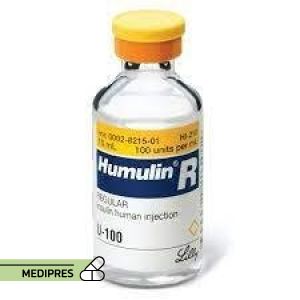
Humulin R
Generic name: insulin human
Drug class: short-acting insulin
Dosage form: liquid solution
Root of administration: subcutaneous injection, intravenous infusion
Dose:
- Type 1 diabetes: 0.4 to 1.0 units/kg per day, divided into two or three injections administered approximately 30 minutes before meals.
- Type 2 diabetes: 0.1 to 0.2 units/kg per day, divided into one to three injections administered approximately 30 minutes before meals.
- Type 1 diabetes (pediatric): Individualized dosing based on metabolic needs and frequent blood glucose monitoring to reduce the risk of hypoglycemia.
- Type 2 diabetes (pediatric): Individualized dosing based on metabolic needs and frequent blood glucose monitoring to reduce the risk of hypoglycemia.
- Geriatric use: Elderly patients may be at increased risk of hypoglycemia; dosing should be conservative to avoid hypoglycemia.
- Renal or hepatic impairment: Patients with renal or hepatic impairment may require more frequent dose adjustments and blood glucose monitoring due to increased risk of hypoglycemia.
Mechanism of action: Insulin human is a synthetic form of the naturally occurring hormone insulin, which facilitates the uptake of glucose into cells, thereby lowering blood glucose levels.
Drug usage cases:
- Improvement of glycemic control in adult and pediatric patients with diabetes mellitus.
- Management of hyperglycemia in patients with type 1 and type 2 diabetes.
- Adjunctive therapy in the management of diabetic ketoacidosis and hyperosmolar hyperglycemic states.
- Management of hyperkalemia in conjunction with glucose administration.
Drug contraindications:
- Hypersensitivity to insulin human or any of the excipients in the formulation.
- Episodes of hypoglycemia (low blood sugar levels).
Side effects:
- Hypoglycemia (low blood sugar levels).
- Hypokalemia (low potassium levels).
- Injection site reactions (e.g., redness, swelling, itching).
- Weight gain.
- Allergic reactions (e.g., rash, swelling, difficulty breathing).
- Lipodystrophy (abnormal distribution of fat at injection sites).
- Peripheral edema (swelling of the extremities).
- Local cutaneous amyloidosis (accumulation of amyloid deposits at injection sites).
Warnings:
- Hypoglycemia: Monitor blood glucose levels regularly to prevent and manage hypoglycemic episodes.
- Hypokalemia: Insulin use can lead to hypokalemia; monitor potassium levels, especially in patients at risk.
- Fluid retention and heart failure: Thiazolidinediones (e.g., rosiglitazone, pioglitazone) can cause fluid retention; monitor for signs of heart failure.
- Allergic reactions: Be vigilant for signs of severe allergic reactions; seek immediate medical attention if symptoms occur.
- Injection site reactions: Rotate injection sites to reduce the risk of lipodystrophy and localized cutaneous amyloidosis.
- Renal or hepatic impairment: Adjust dosing and monitor blood glucose levels closely in patients with renal or hepatic impairment.
- Geriatric use: Elderly patients may be at increased risk of hypoglycemia; dosing should be conservative to avoid hypoglycemia.
Use during pregnancy or breastfeeding: Humulin R is classified as Pregnancy Category B. While there are no adequate and well-controlled studies in pregnant women, evidence from published literature suggests that good glycemic control in patients with diabetes during pregnancy provides significant maternal and fetal benefits. There are no known safety issues with breastfeeding while being treated with Humulin R. If you have questions or concerns about pregnancy or breastfeeding during your Humulin R treatment, talk with your doctor or pharmacist.