
Jublia
23 June, 2023
K-Tab
23 June, 2023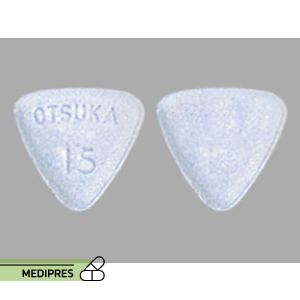
Jynarque
Generic name:
Tolvaptan
Drug class:
Vasopressin V2 receptor antagonist (Aquaretic)
Dosage form:
- Oral tablets
Root of administration:
Oral
Dose:
- Initial dose: 45 mg once daily (30 mg in the morning and 15 mg in the afternoon)
- Maintenance dose: 60 mg to 90 mg daily divided into two doses (morning and afternoon)
- Doses should be adjusted based on response and tolerability, not to exceed 120 mg/day
- Start with lowest effective dose and titrate carefully with physician supervision
- Dosing may vary depending on indication and patient condition; refer to specific labeling
Mechanism of action:
Tolvaptan selectively antagonizes vasopressin V2 receptors in the renal collecting ducts, inhibiting the action of antidiuretic hormone (ADH). This results in aquaresis—excretion of free water without electrolyte loss—leading to increased urine output and decreased water reabsorption, which helps reduce fluid overload and slows cyst growth in polycystic kidney disease.
Drug usage cases:
- Autosomal dominant polycystic kidney disease (ADPKD) – to slow kidney function decline
- Hyponatremia associated with syndrome of inappropriate antidiuretic hormone secretion (SIADH)
- Congestive heart failure (off-label; for fluid management)
- Cirrhosis-related hyponatremia (off-label / varies by region)
Drug contra indications:
- Hypovolemic hyponatremia
- Anuria
- Inability to sense or respond to thirst
- Known hypersensitivity to tolvaptan or any excipients
- Patients unable to access adequate hydration or comply with monitoring
- Concomitant use with strong CYP3A inhibitors (e.g., ketoconazole)
Side effects:
- Thirst
- Dry mouth
- Increased urination (polyuria)
- Dizziness
- Fatigue
- Hypernatremia
- Elevated liver enzymes (AST, ALT)
- Hepatotoxicity, including severe liver injury requiring monitoring
- Dehydration
- Pollakiuria (frequent urination)
- Constipation
- Headache
- Abdominal pain
- Nausea
Warnings:
- Monitor liver function tests regularly due to risk of serious hepatotoxicity
- Risk of overly rapid correction of hyponatremia leading to osmotic demyelination syndrome
- Ensure adequate fluid intake to prevent dehydration and excessive hypernatremia
- Not recommended for patients with impaired ability to sense thirst or respond appropriately
- Caution in patients with liver impairment or at risk of liver disease
- Potential drug interactions with CYP3A4 inhibitors and inducers
- Use with caution in elderly patients
- Discontinue if signs or symptoms of liver injury arise
Use during pregnancy or breastfeeding:
There are no adequate and well-controlled studies of tolvaptan in pregnant women. Animal studies have shown adverse effects on fetal development. Tolvaptan should be used during pregnancy only if the potential benefit justifies the potential risk to the fetus. Patients who are pregnant or planning pregnancy should consult their healthcare provider before initiating therapy.
Tolvaptan is not recommended during breastfeeding due to unknown excretion into breast milk and potential adverse effects on the infant. Mothers should discontinue breastfeeding or the drug, considering the importance of the medication to the mother.