
Klonopin
23 June, 2023
Labetalol
23 June, 2023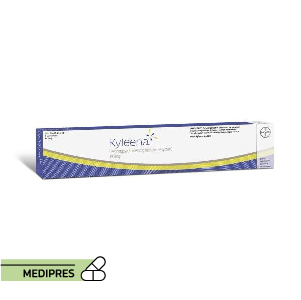
Kyleena
Generic name: Levonorgestrel intrauterine system
Drug classes: Contraceptives, Progestins
Root of administration: Vagina
Mechanism of action: Kyleena contains levonorgestrel, a female hormone that can cause changes in your cervical mucus and uterine lining, making it harder for sperm to reach the uterus and harder for a fertilized egg to attach to the uterus.
Drug usage cases: Contraception: Kyleena is primarily used as a highly effective form of birth control. Once inserted, it continuously releases a low dose of levonorgestrel, a progestin hormone, into the uterus. This helps prevent pregnancy by inhibiting ovulation, thickening cervical mucus to prevent sperm from reaching the egg, and thinning the lining of the uterus to make implantation less likely. Long-acting contraception: Kyleena is a long-acting contraceptive option. Once inserted, it provides contraception for up to five years. This makes it a convenient choice for individuals who desire long-term birth control without the need for daily or frequent administration. Heavy menstrual bleeding: In addition to its contraceptive effects, Kyleena may also be used to manage heavy or prolonged menstrual bleeding. The progestin hormone released by the device can help reduce the thickness of the uterine lining, leading to lighter and shorter periods for some individuals.
Drug contra indications: Kyleena can increase your risk of developing a serious pelvic infection, which may threaten your life or your future ability to have children. Ask your doctor about this risk. You should not use Kyleena if you are allergic to levonorgestrel, silicone, silica, silver, barium, iron oxide, or polyethylene, or if you have:
abnormal vaginal bleeding that has not been checked by a doctor, an untreated or uncontrolled pelvic infection (vaginal, cervical, uterine), endometriosis or a serious pelvic infection following a pregnancy or abortion in the past 3 months, pelvic inflammatory disease (PID), unless you had a normal pregnancy after the infection was treated and cleared, uterine fibroid tumors or conditions that affect the shape of the uterus, past or present cancer of the breast, cervix, or uterus, liver disease or liver tumor (benign or malignant), a condition that weakens your immune system, such as AIDS, leukemia, or IV drug abuse, if you have another intrauterine device (IUD) in place, if you had an abortion or miscarriage in the past 6 weeks, if you gave birth to a baby in the past 6 weeks.
side effects: Get emergency medical help if you have signs of an allergic reaction to Kyleena: hives; difficult breathing; swelling of your face, lips, tongue, or throat. Call your doctor at once if you have:
severe cramps or pelvic pain, pain during sexual intercourse, extreme dizziness or light-headed feeling, severe migraine headache, heavy or ongoing vaginal bleeding, vaginal sores, vaginal discharge that is watery, foul-smelling discharge, or otherwise unusual, ness, easy bruising or bleeding, fever, chills, or other signs of infection, pale skin, weak, jaundice (yellowing of the skin or eyes); or sudden numbness or weakness (especially on one side of the body), confusion, problems with vision, sensitivity to light.
Warnings: You should not use the Kyleena IUD if you have abnormal vaginal bleeding, a pelvic infection, certain other problems with your uterus or cervix, or if you have breast or uterine cancer, liver disease or liver tumor, or a weak immune system. Do not use Kyleena during pregnancy. Call your doctor if you think you might be pregnant. Kyleena does not protect against HIV infection (AIDS) and other sexually transmitted infections (STIs). Call your doctor at once if you have symptoms of a stroke or heart attack, such as sudden numbness or weakness, severe headache, or chest pain.
Use during pregnancy or breastfeeding: Do not use Kyleena during pregnancy. If left in place during pregnancy, the IUD could cause severe infection, miscarriage, premature birth, or death of the mother. The hormone in Kyleena may also cause unwanted effects in a female newborn. Tell your doctor right away if you become pregnant. If you continue the pregnancy, watch for signs such as fever, chills, cramps, vaginal bleeding or discharge. Get emergency medical help if you have severe pain in your lower stomach or side. This could be a sign of a tubal pregnancy. The Kyleena IUD may become embedded into the wall of the uterus, or may perforate (form a hole) in the uterus. If this occurs, the device may no longer prevent pregnancy, or it may move outside the uterus and cause scarring, infection, or damage to other organs. Your doctor may need to surgically remove the device.