
Magnesium oxide
23 June, 2023
Melatonin
23 June, 2023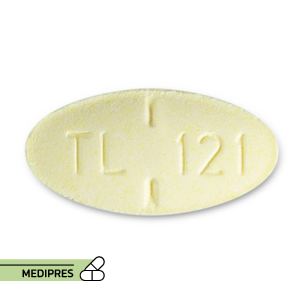
Meclizine
Generic name: Meclizine
Drug class: Antihistamines
Dosage form: Oral tablet (12.5 mg, 25 mg, 50 mg); chewable tablet (25 mg)
Route of administration: Oral
Dose: For motion sickness: 25–50 mg taken 1 hour before travel; may repeat every 24 hours if needed. For vertigo: 25–100 mg daily in divided doses, depending on clinical response.
Mechanism of action: Meclizine is a first-generation antihistamine that blocks H1 histamine receptors, reducing symptoms of motion sickness and vertigo. It also possesses anticholinergic properties, which may contribute to its antiemetic and antivertigo effects.
Drug usage cases:
- Prevention and treatment of nausea, vomiting, and dizziness associated with motion sickness.
- Management of vertigo related to vestibular system disorders.
Drug contraindications:
- Hypersensitivity to meclizine or any of its components.
Side effects:
- Drowsiness or fatigue.
- Dry mouth.
- Headache.
- Vomiting.
- Blurred vision.
- Constipation.
- Abdominal discomfort.
- Palpitations or tachycardia.
- Urinary retention.
Warnings:
- May impair mental and physical abilities; avoid driving or operating machinery until you know how meclizine affects you.
- Use with caution in patients with glaucoma, asthma, enlarged prostate, or urinary retention.
- Alcohol and other central nervous system depressants may enhance drowsiness; avoid concurrent use.
- Use during pregnancy appears safe, but has not been well studied; use during breastfeeding is of unclear safety.
Use during pregnancy or breastfeeding: Meclizine is classified as a Category B medication for pregnancy, indicating that it is generally considered safe for use during pregnancy. However, it has not been well studied in pregnant women, so it should be used during pregnancy only if clearly needed. The safety of meclizine during breastfeeding is not well established; it is excreted in human milk, and caution should be exercised when administering to nursing mothers.