
Meropenem
23 June, 2023
Methocarbamol
23 June, 2023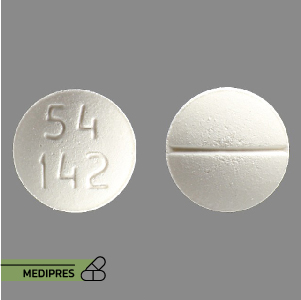
Methadone
Generic name: Methadone
Drug class: Opioids
Dosage forms: Injectable Solution, Intravenous Solution, Concentrate, Solution, Tablet, Tablet Dispersible.
Root of administration: Oral, Injection
Dose: 5 mg; 10 mg; 10 mg/mL; 40 mg; 5 mg/5 mL; 10 mg/5 mL; 1 mg/mL-NaCl 0.9%; 5 mg/mL-NaCl 0.9%
Mechanism of action: Methadone is a long-acting opioid medication that is used to reduce withdrawal symptoms in people addicted to heroin or other narcotic drugs, and it can also used as a pain reliever. When methadone is used for Opioid Use Disorder (OUD) it reduces withdrawal symptoms and drug cravings, but does not cause the “high” associated with the drug addiction. Methadone is highly regulated medication (Schedule 2 Controlled Substances Act) and when used for OUD is only available through approved opioid treatment programs (OTP) that involves regular monitoring, counseling, and drug testing to make sure that patients are making progress in their recovery.
Drug usage cases: When methadone is used for pain it should only be used for pain that is severe enough to require daily, around-the-clock, long-term opioid treatment when no other treatment options have helped adequately. This medicine is not for use on an as-needed basis for pain.
Methadone works by activating the opioid receptors in the brain and nervous system, it is usually taken orally as a liquid or tablet.
Drug contra indications: You should not use this medicine if you are allergic to it, or if you have:
severe asthma or breathing problems; or a blockage in your stomach or intestines. This medicine may cause a life-threatening heart rhythm disorder. Your heart function may need to be checked during treatment. To make sure methadone is safe for you, tell your doctor if you have ever had:
heart problems, long QT syndrome (in you or a family member), breathing problems, sleep apnea, a head injury, brain tumor, or seizures, drug or alcohol addiction, or mental illness, liver or kidney disease, urination problems; or problems with your gallbladder, pancreas, or thyroid.
side effects: Get emergency medical help if you have signs of an allergic reaction to methadone: hives; difficult breathing; swelling of your face, lips, tongue, or throat. Opioid medicine can slow or stop your breathing, and death may occur. A person caring for you should give naloxone and/or seek emergency medical attention if you have slow breathing with long pauses, blue colored lips, or if you are hard to wake up. Serious methadone side effects. Call your doctor at once if you have:
weak or shallow breathing, breathing that stops during sleep, severe constipation, a light-headed feeling, like you might pass out, fast or pounding heartbeats, fluttering in your chest, shortness of breath, low cortisol levels – nausea, vomiting, loss of appetite, dizziness, worsening tiredness or weakness, serotonin syndrome – agitation, hallucinations, fever, fast heart rate, muscle stiffness, twitching, loss of coordination, nausea, diarrhea. Serious breathing problems may be more likely in older adults and people who are debilitated or have wasting syndrome or chronic breathing disorders.
Warnings: You should not use this medicine if you have severe asthma or breathing problems, or a blockage in your stomach or intestines. MISUSE OF METHADONE CAN CAUSE ADDICTION, OVERDOSE, OR DEATH, especially in a child or other person using the medicine without a prescription. Keep the medication in a place where others cannot get to it. Fatal side effects can occur if you use opioid medicine with alcohol, or with other drugs that cause drowsiness or slow your breathing. Methadone may cause a life-threatening heart rhythm disorder. Call your doctor at once if you have a headache with chest pain and severe dizziness, and fast or pounding heartbeats. Your heart function may need to be checked during treatment.
Use during pregnancy or breastfeeding: Talk to your doctor before using opioid medicine if you are pregnant or planning a pregnancy. If you use opioid medicine during pregnancy, your baby could be born with life-threatening withdrawal symptoms, called neonatal opioid withdrawal syndrome (NOWS) which is treatable and your baby may need medical treatment for several weeks. Ask a doctor before using opioid medicine if you are breastfeeding. This medicine passes into breast milk and may harm your baby. Tell your doctor immediately if you notice increased sleepiness (more than usual), difficulty breastfeeding, breathing difficulties, or limpness in the nursing baby. Talk to your baby’s doctor when you decide to wean your baby. It is important to wean your baby gradually so that your baby does not develop withdrawal symptoms when he or she stops receiving methadone in breastmilk.