
Oxymetazoline
23 June, 2023
Paroxetine
23 June, 2023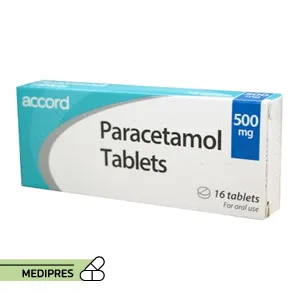
Paracetamol
Generic name: paracetamol
Brand names: Panadol, Calpol, Tylenol, Alvedon
Dosage form: effervescent tablet, intravenous (infusion) injection, orally disintegrating tablet, oral capsule, oral powder, oral suspension, oral tablet, suppository
Drug class: Miscellaneous analgesics
Route of administration: Oral, Rectal, Intravenous (hospital use only)
Available dose: Tablets: 325 mg, 500 mg. Oral suspension: 120 mg/5 mL, 250 mg/5 mL. Suppositories: 125 mg, 250 mg, 500 mg.
Mechanism of action: Paracetamol works by inhibiting the production of prostaglandins in the brain which help to reduce fever and alleviate pain.
Drug usage cases: Relief of mild to moderate pain (e.g., headaches, toothaches, menstrual periods, arthritis). Reduction of fever.
Drug contraindications: Severe liver disease. Known hypersensitivity to paracetamol or any of its components.
Side effects: Rare but serious side effects may include severe skin reactions (e.g., Stevens-Johnson syndrome), liver damage, and an allergic reaction which may cause rash, swelling, and difficulty breathing.
Warnings: Overdose can lead to severe liver damage and potentially fatal outcomes. Use with caution in patients with preexisting liver disease or those who consume large amounts of alcohol. Monitor for signs of liver damage such as jaundice, dark urine, or persistent nausea/vomiting.
Use during pregnancy or breastfeeding: Paracetamol is generally considered safe for use during pregnancy and breastfeeding when used at recommended doses. However, it should be used only when needed, and it’s important to follow the guidance of a healthcare provider.