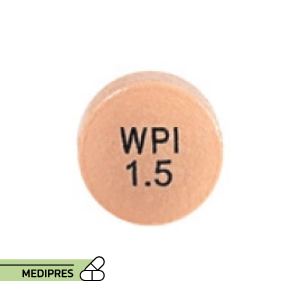

Primidone
23 June, 2023
Propranolol
23 June, 2023
Prochlorperazine
Generic name: Prochlorperazine edisylate
Dosage form: injection
Drug classes: Phenothiazine antiemetics, Phenothiazine antipsychotics
Route of administration: Oral, Rectal, Intramuscular, Intravenous.
Dose: Typical oral dose for nausea and vomiting: 5 mg to 10 mg three to four times daily.
Typical oral dose for schizophrenia: 5 mg to 10 mg three to four times daily, can be increased to a maximum of 150 mg per day. Suppository: 25 mg twice daily. Injection: 5 mg to 10 mg every 3 to 4 hours as needed.
Mechanism of action: Prochlorperazine works by blocking dopamine receptors in the brain. This action helps to control severe nausea and vomiting and also has antipsychotic effects. By inhibiting dopamine activity, it reduces the symptoms of psychosis and decreases the signals that trigger nausea and vomiting.
Drug usage cases: Treatment of severe nausea and vomiting. Management of schizophrenia. Short-term treatment of generalized non-psychotic anxiety.
Drug contraindications: Severe central nervous system depression. Comatose states. Blood dyscrasias (e.g., low white blood cell count). Known hypersensitivity to prochlorperazine or other phenothiazines. Use in children under 2 years or under 20 pounds for the injection form.
Side effects: Common: Drowsiness, dizziness, constipation, dry mouth, blurred vision. Serious: Extrapyramidal symptoms (e.g., tardive dyskinesia, dystonia), neuroleptic malignant syndrome, severe allergic reactions, jaundice. Rare: Agranulocytosis (severe reduction in white blood cells), seizures, prolonged QT interval.
Warnings: Monitor for signs of extrapyramidal symptoms and tardive dyskinesia, especially with long-term use. Use with caution in patients with cardiovascular disease, glaucoma, urinary retention, and respiratory disorders. Avoid abrupt discontinuation to prevent withdrawal symptoms. Be cautious of potential interactions with other central nervous system depressants. Inform your doctor if you experience symptoms such as muscle stiffness, high fever, sweating, confusion, or irregular heartbeats.
Use during pregnancy or breastfeeding: Use during pregnancy only if the potential benefit justifies the potential risk to the fetus. Prochlorperazine may be excreted in breast milk and could harm a nursing baby. Consult your doctor before using this medication while breastfeeding.