
Quetiapine
23 June, 2023
Qulipta
23 June, 2023
Quinine
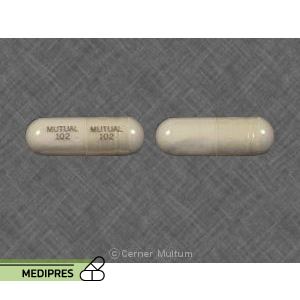
Generic name: Quinine
Drug class: Antimalarial quinolines
Dosage forms: Capsule
Root of administration: Oral
Dose: 324 mg
Mechanism of action: Its mechanism of action primarily involves its effects on the parasites that cause malaria. The main mechanism of action of quinine in the treatment of malaria is as follows:
Antimalarial Effect: Quinine acts against the Plasmodium parasites responsible for causing malaria. It is believed to interfere with the parasites’ ability to replicate within red blood cells. Quinine primarily targets the asexual erythrocytic stage of the parasite’s lifecycle, inhibiting its growth and multiplication. This action helps to reduce the severity and duration of malaria symptoms.
Drug usage cases: Quinine is used to treat uncomplicated malaria, a disease caused by parasites. Parasites that cause malaria typically enter the body through the bite of a mosquito. Malaria is common in areas such as Africa, South America, and Southern Asia. Quinine will not treat severe forms of malaria, and it should not be taken to prevent malaria. Some people have used quinine to treat leg cramps, but this is not an FDA-approved use. Using this medication improperly or without the advice of a doctor can result in serious side effects or death.
Drug contra indications: You should not use this medication if you have ever had an allergic reaction to quinine or similar medicines such as mefloquine or quinidine, or if you have:
a heart rhythm disorder called Long QT syndrome; an enzyme deficiency called glucose-6-phosphate dehydrogenase deficiency (G-6-PD); myasthenia gravis; optic neuritis (inflammation of the optic nerve); or if you have taken quinine in the past and it caused a blood cell disorder, severe bleeding, or kidney problems. To make sure quinine is safe for you, tell your doctor if you have:
heart disease or a heart rhythm disorder; low levels of platelets in your blood; low potassium levels in your blood (hypokalemia); or liver or kidney disease. Do not give this medication to a child younger than 16 years old.
Side effects: Get emergency medical help if you have any of these signs of an allergic reaction: hives; difficulty breathing; swelling of your face, lips, tongue, or throat. Quinine may cause serious side effects. Call your doctor at once if you have:
fever, chills, body aches, flu symptoms, sores in your mouth and throat; easy bruising, unusual bleeding (nose, mouth, vagina, or rectum), purple or red pinpoint spots under your skin; headache with chest pain and severe dizziness, fainting, fast or pounding heartbeats; sudden numbness or weakness (especially on one side of the body), sudden severe headache, slurred speech, problems with balance; chest pain, sudden cough, wheezing, rapid breathing, coughing up blood; problems with vision or hearing; pain, swelling, warmth, or redness in one or both legs; severe pain in your side or lower back, blood in your urine, little or no urine; low blood sugar (more common in pregnant women)-headache, hunger, weakness, sweating, confusion, irritability, dizziness, fast heart rate, or feeling jittery; loss of appetite, dark urine, clay-colored stools, jaundice (yellowing of the skin or eyes); or severe skin reaction — fever, sore throat, swelling in your face or tongue, burning in your eyes, skin pain, followed by a red or purple skin rash that spreads (especially in the face or upper body) and causes blistering and peeling.
Warnings: Quinine can cause serious side effects on your heart, kidneys, or blood cells. Stop taking quinine and call your doctor at once if you have headache with chest pain and severe dizziness, fast or pounding heartbeats, unusual bruising or bleeding (nosebleeds, bleeding gums, purple or red spots under your skin), signs of infection (fever, chills, mouth sores), severe lower back pain, or blood in your urine. You should not take quinine if you have a heart rhythm disorder called Long QT syndrome, a genetic enzyme deficiency called glucose-6-phosphate dehydrogenase deficiency (G-6-PD), myasthenia gravis, optic neuritis (inflammation of the nerves in your eyes), if you have taken quinine in the past and it caused a blood cell disorder or severe bleeding. Some people have used quinine to treat leg cramps, but this is not an FDA-approved use. Using this medication improperly or without the advice of a doctor can result in serious side effects or death.
Use during pregnancy or breastfeeding: FDA pregnancy category C. It is not known whether quinine will harm an unborn baby. Tell your doctor if you are pregnant or plan to become pregnant while using this medication. Quinine can pass into breast milk and may harm a nursing baby. Tell your doctor if you are breast-feeding a baby.