

Sulfasalazine
23 June, 2023
Tacrolimus
23 June, 2023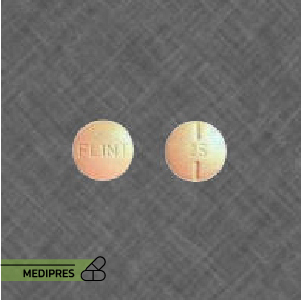
Synthroid
Generic name: Levothyroxine
Drug class: Thyroid drugs
Dosage forms: Tablet, Solution
Root of administration: Oral
Dose: 25, 50, 75, 88, 100, 112, 125, 137, 150, 175, 200, 300 mcg
Mechanism of action: Synthroid is a thyroid medicine that replaces a hormone normally produced by your thyroid gland to regulate the body’s energy and metabolism.
Drug usage cases: Synthroid is a prescription medicine used to treat hypothyroidism (low thyroid hormone). Levothyroxine is given when your thyroid does not produce enough of this hormone on its own. Synthroid is also used in patients who need surgery and radioiodine therapy to manage a type of thyroid cancer called well-differentiated thyroid cancer.
Drug contra indications: Synthroid should not be used to treat obesity or weight problems. Dangerous side effects or death can occur from the misuse of levothyroxine, especially if you are taking any other weight-loss medications or appetite suppressants. Since thyroid hormone occurs naturally in the body, almost anyone can take levothyroxine. However, you may not be able to take this medicine if you have certain medical conditions. To make sure Synthroid is safe for you, tell your doctor if you have ever had:
an untreated or uncontrolled adrenal gland disorder; a thyroid disorder called thyrotoxicosis; or symptoms of a heart attack (chest pain or heavy feeling, pain spreading to the jaw or shoulder, nausea, sweating, general ill feeling). a thyroid nodule; heart problems such as a heart attack, stroke, blood clot or blood clotting disorder; diabetes (your diabetes medicine may need to be adjusted); anemia (low red blood cells); weak bones (osteoporosis), or low bone mineral density; problems with your pituitary gland; any food or drug allergies; plan to have surgery; recently received radiation therapy with iodine (such as I-131); or kidney disease. Your dose needs may be different while you are nursing. Do not give this medicine to a child without medical advice.
Side effects: Get emergency medical help if you have signs of an allergic reaction to Synthroid: hives; difficult breathing; swelling of your face, lips, tongue, or throat. Call your doctor at once if you have:
fast or irregular heartbeats; chest pain, pain spreading to your jaw or shoulder; shortness of breath; fever, hot flashes, sweating; tremors, or if you feel unusually cold; weakness, tiredness, sleep problems (insomnia); memory problems, feeling depressed or irritable; headache, leg cramps, muscle aches; feeling nervous or irritable; dryness of your skin or hair, hair loss; irregular menstrual periods; or vomiting, diarrhea, appetite changes, weight changes.
Warnings: You may not be able to take Synthroid if you have certain medical conditions. Tell your doctor if you have an untreated or uncontrolled adrenal gland disorder, a thyroid disorder called thyrotoxicosis, or if you have any recent or current symptoms of a heart attack.
Use during pregnancy or breastfeeding: If you become pregnant while taking Synthroid, do not stop taking the medicine without your doctor’s advice. Having low thyroid hormone levels during pregnancy could harm both mother and baby. Your dose needs may be different during pregnancy. Tell your doctor if you are breast-feeding.