
Xarelto
23 June, 2023
Xermelo
23 June, 2023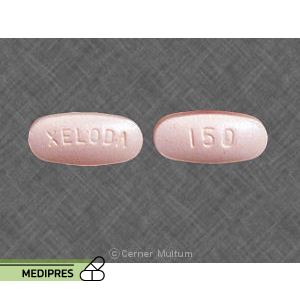
Xeloda
Generic name: Capecitabine
Drug class: Antimetabolites
Dosage form: Tablets (150 mg and 500 mg)
Route of administration: Oral
Dose: Typically, 1,250 mg/m² twice daily for 14 days, followed by a 7-day rest period; dosage may vary based on individual factors and combination therapy
Mechanism of action: Capecitabine is an oral prodrug that is metabolized to 5-fluorouracil (5-FU) in the body. 5-FU inhibits DNA synthesis by interfering with thymidylate synthase, leading to cell death, particularly in rapidly dividing cancer cells.
Drug usage cases:
- Adjuvant treatment of stage III colon cancer
- First-line treatment of metastatic colorectal cancer
- Treatment of advanced or metastatic breast cancer after failure of standard therapy
- Combination therapy with docetaxel for advanced or metastatic breast cancer
- Combination therapy with oxaliplatin for metastatic colorectal cancer following failure of irinotecan-containing chemotherapy
Drug contraindications:
- Hypersensitivity to capecitabine, fluorouracil, or any component of the formulation
- Severe renal impairment (creatinine clearance <30 mL/min)
- History of severe hypersensitivity reactions to fluoropyrimidines
- Known dihydropyrimidine dehydrogenase (DPD) deficiency
- Concurrent use with sorivudine or its analogs
- Pregnancy and lactation
Side effects:
- Hand-foot syndrome (palmar-plantar erythrodysesthesia)
- Diarrhea
- Nausea and vomiting
- Abdominal pain
- Fatigue and weakness
- Decreased appetite
- Mucositis (mouth sores)
- Elevated bilirubin levels
- Skin reactions (rash, pruritus)
- Cardiac events (e.g., chest pain, arrhythmias)
- Hematologic toxicities (e.g., neutropenia, thrombocytopenia)
Warnings:
- Monitor for signs of hand-foot syndrome; dose adjustments may be necessary
- Assess renal function prior to initiation and during treatment
- Regularly monitor complete blood counts due to potential hematologic toxicity
- Evaluate liver function tests periodically
- Discontinue therapy if severe diarrhea or mucositis occurs
- Use caution in patients with a history of cardiac disease
- Ensure adequate hydration to prevent dehydration-related complications
- Advise patients to avoid pregnancy during treatment and for a specified period after completion
Use during pregnancy or breastfeeding:
Capecitabine is contraindicated during pregnancy due to potential teratogenic effects. Women of childbearing potential should use effective contraception during treatment and for a specified period after completion. It is not known whether capecitabine is excreted in human milk; therefore, breastfeeding is not recommended during treatment.