
Bydureon Pen
23 June, 2023
Caduet
23 June, 2023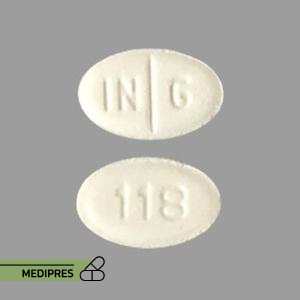
Cabergoline
Generic name: cabergoline [ ca-BER-goe-leen ]
Brand name: Dostinex
Drug class: Prolactin inhibitors
Dosage form: Tablet
Route of administration: Oral
Available Dose: Typically available in 0.5 mg tablets.
Mechanism of action: Cabergoline stimulates dopamine receptors in the brain, leading to decreased secretion of the hormone prolactin from the pituitary gland. This reduction in prolactin levels can resolve abnormalities related to hyperprolactinemia, such as menstrual irregularities and infertility.
Drug usage cases: Cabergoline is primarily used to treat hyperprolactinemia (abnormally high levels of prolactin in the blood), which can result from pituitary tumors or other conditions. It is also used in the management of Parkinson’s disease (as part of combination therapy) and may be prescribed off-label for conditions like acromegaly and Cushing’s disease.
Drug contra indications: Contraindicated in patients with uncontrolled hypertension or a history of cardiac valvular disorders. Use with caution in patients with psychiatric disorders or a history of pulmonary, pericardial, or retroperitoneal fibrotic disorders.
Side effects: Common side effects include nausea, headache, dizziness, and fatigue. More serious side effects can include heart valve problems, psychiatric disorders such as pathological gambling or hallucinations, and fibrosis (thickening of tissues) in the heart, lungs, or abdomen.
Warnings: Patients should be monitored for signs of heart valve damage, such as shortness of breath or edema (swelling), and for psychiatric symptoms. Dosage adjustments may be necessary for patients with severe hepatic impairment.
Use during pregnancy or breastfeeding: Cabergoline should be used during pregnancy only if the potential benefit justifies the potential risk to the fetus. It is not known whether cabergoline is excreted in human milk; therefore, caution should be exercised when administered to a nursing woman.
Cabergoline is an effective medication for reducing prolactin levels and managing conditions related to hyperprolactinemia. However, it requires careful monitoring for potential side effects, particularly cardiac and psychiatric conditions.