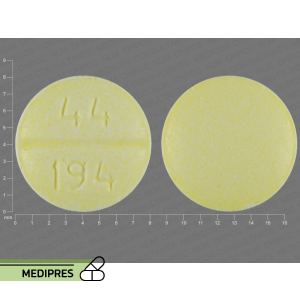

Cimetidine Tablets
23 June, 2023
CitraNatal Bloom
23 June, 2023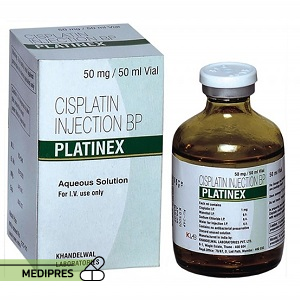
Cisplatin
Generic name: cisplatin [ sis-PLA-tin ]
Brand names: Platinol, Platinol-AQ, Platinol (Restricted Access)
Drug class: Platinum-based antineoplastic agent
Dosage form: Injectable solution
Route of administration: Intravenous (IV)
Available Dose: Typically provided as 1 mg/mL in 50 mL, 100 mL, or 200 mL bottles or vials.
Mechanism of action: Cisplatin forms platinum-DNA adducts which lead to DNA cross-linking and ultimately cell death. This prevents the cancer cells from dividing and leads to cell apoptosis.
Drug usage cases: Cisplatin is widely used in the treatment of various types of cancers, including testicular, ovarian, bladder, head and neck, lung, melanoma, lymphoma, and others. It is often used in combination with other chemotherapeutic agents.
Drug contra indications: Contraindicated in patients with renal impairment, myelosuppression, and hearing impairment. Use with caution in patients with pre-existing kidney problems, hearing loss, or in those with a history of allergic reactions to platinum-containing compounds.
Side effects: Common side effects include nephrotoxicity (kidney damage), ototoxicity (hearing loss), gastrointestinal disturbances (nausea, vomiting), and myelosuppression (reduced blood cell counts). Other side effects can include allergic reactions, peripheral neuropathy (nerve damage), and electrolyte imbalances.
Warnings: Hydration and diuresis are recommended to prevent renal toxicity. Patients should be monitored for renal function, auditory function, and blood counts before and during treatment. Antiemetics may be used to control nausea and vomiting.
Use during pregnancy or breastfeeding: Cisplatin is classified under FDA pregnancy category D. It can cause harm when administered to a pregnant woman and is contraindicated during pregnancy. It is not known whether cisplatin is excreted in human milk; therefore, breastfeeding while on cisplatin is not recommended.
Cisplatin is a cornerstone in the treatment of various solid tumors, offering significant therapeutic benefits. However, its use requires careful patient selection and monitoring due to its potential for severe side effects and toxicities.