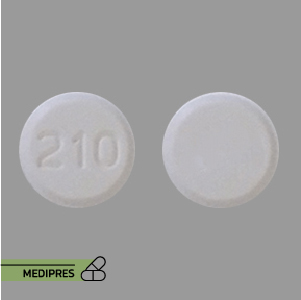

Acarbose
23 June, 2023
Acetaminophen and phenylephrine
23 June, 2023
Accolate
Generic name: Zafirlukast
Drug class: Leukotriene receptor antagonist
Dosage form: Oral tablets
Root of administration: Oral
Dose:
- Adults and children 12 years and older: 20 mg twice daily
- Children 5 to 11 years: 10 mg twice daily
Mechanism of action: Zafirlukast is a selective and competitive receptor antagonist of leukotriene D₄ and E₄ (LTD₄ and LTE₄), components of slow-reacting substance of anaphylaxis (SRSA). By inhibiting these leukotrienes, it reduces airway edema, smooth muscle constriction, and altered cellular activity associated with the inflammatory process, thereby alleviating asthma symptoms.
Drug usage cases:
- Prophylaxis and chronic treatment of asthma in adults and children 5 years and older
- Prevention of exercise-induced bronchoconstriction
- Management of aspirin-sensitive asthma
Drug contraindications:
- Hypersensitivity to zafirlukast or any of its components
- Active liver disease or unexplained persistent elevations of hepatic transaminases
Side effects:
- Common: Headache, abdominal pain, diarrhea, nausea, fatigue, back pain, dizziness, fever, myalgia, vomiting, and dyspepsia
- Serious: Hepatitis, Churg-Strauss syndrome, allergic reactions including urticaria, angioedema, and anaphylaxis
- Rare: Eosinophilic conditions, mood and behavior changes such as anxiety, depression, and suicidal thoughts
Warnings:
- Monitor liver function regularly due to potential hepatotoxicity
- Discontinue use if signs of liver dysfunction occur, such as right upper abdominal pain, nausea, fatigue, loss of appetite, itching, or jaundice
- Not intended for the relief of acute asthma attacks; always have a short-acting beta₂-agonist available
- Use caution in patients with a history of Churg-Strauss syndrome
- May cause mood and behavior changes; monitor for signs of depression or suicidal thoughts
Use during pregnancy or breastfeeding:
Limited experience in pregnancy; classified as Category B1 in Australia, indicating no observed risk in animal studies but limited human data. Use during pregnancy should be considered only if the potential benefit justifies the potential risk to the fetus. Limited data on excretion in breast milk; use during breastfeeding should be considered only if the potential benefit justifies the potential risk to the nursing infant. Consult a healthcare provider for personalized advice.