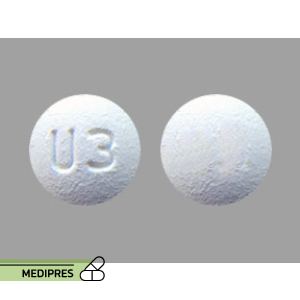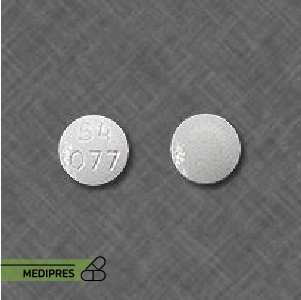

Alendronate
23 June, 2023
Amiodarone
23 June, 2023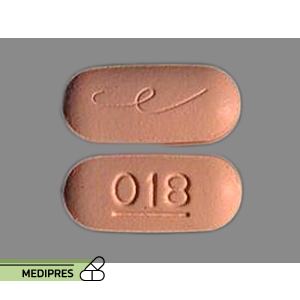
Allegra
Generic name:
Fexofenadine
Drug class:
Second-generation H1 antihistamine
Dosage form:
Tablets (30 mg, 60 mg, 120 mg, 180 mg), extended-release tablets (120 mg, 180 mg), orally disintegrating tablets (30 mg), oral suspension (30 mg/5 mL)
Root of administration:
Oral
Dose:
Adults: 60 mg twice daily or 180 mg once daily; Children 6–11 years: 30 mg twice daily; Children 2–5 years: 30 mg once daily (suspension); Infants 6 months to 2 years: 15 mg twice daily (suspension); adjust dose in renal impairment.
Mechanism of action:
Fexofenadine selectively antagonizes peripheral histamine H1-receptors, inhibiting allergic inflammatory responses with minimal central nervous system penetration.
Drug usage cases:
- Seasonal allergic rhinitis
- Chronic idiopathic urticaria
- Allergic conjunctivitis (off-label)
- Other allergic skin conditions (off-label)
Drug contra indications:
- Hypersensitivity to fexofenadine or any formulation excipients
Side effects:
- Headache
- Drowsiness
- Nausea
- Dyspepsia
- Dizziness
- Fatigue
- Dry mouth
- Back pain
- Cough
- Rare: tachycardia, arrhythmia, urticaria
- Hepatic enzyme elevations (rare)
Warnings:
- Caution in renal impairment; dose reduction required
- May cause sedation and impair ability to drive or operate machinery
- Avoid coadministration with fruit juices (orange, apple, grapefruit) due to decreased absorption
- Use with caution in elderly patients
- May mask symptoms of other serious conditions (e.g., anaphylaxis)
Use during pregnancy or breastfeeding:
Pregnancy: Category C; animal studies have shown adverse effects, no adequate human studies; use only if potential benefit justifies risk.
Breastfeeding: Excreted in breast milk in small amounts; caution advised; monitor infant for sedation.