
Alendronate
23 June, 2023
Amiodarone
23 June, 2023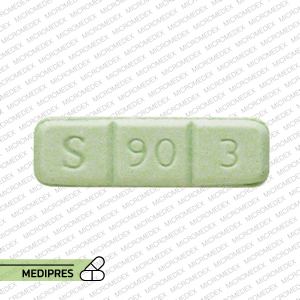
Alprazolam
Generic name:
Alprazolam
Drug class:
Benzodiazepine (Anxiolytic)
Dosage form:
Immediate-release tablets; extended-release tablets; orally disintegrating tablets; oral solution
Root of administration:
Oral
Dose:
Typical adult dose for anxiety: 0.25–0.5 mg three times daily; may increase every 3–4 days to 1–4 mg per day in divided doses. Panic disorder (immediate-release): 0.5 mg three times daily, titrate to 4 mg/day. Extended-release tablets: 0.5–1 mg once daily, up to 3 mg/day. Adjust dose in elderly or hepatic impairment; taper gradually to discontinue.
Mechanism of action:
Enhances inhibitory effect of γ-aminobutyric acid (GABA) by binding to benzodiazepine sites on GABAA receptors, increasing chloride ion influx and neuronal hyperpolarization.
Drug usage cases:
- Generalized anxiety disorder (GAD)
- Panic disorder with or without agoraphobia
- Anxiety associated with depression
- Off-label: insomnia
- Off-label: preoperative sedation
- Off-label: catheterization-related anxiety
- Off-label: chemotherapy-induced nausea
Drug contra indications:
- Hypersensitivity to alprazolam or other benzodiazepines
- Acute narrow-angle glaucoma
- Concurrent use with potent CYP3A4 inhibitors (e.g., ketoconazole, itraconazole)
- Severe respiratory insufficiency
- Sleep apnea syndrome
- Myasthenia gravis
- Pregnancy (first trimester), lactation
Side effects:
- Drowsiness, sedation
- Dizziness, ataxia
- Cognitive impairment, memory disturbance
- Fatigue, weakness
- Headache
- Blurred vision
- Nausea, vomiting, diarrhea, constipation
- Dry mouth
- Orthostatic hypotension
- Increased salivation
- Changes in libido
- Weight changes
- Depression, anxiety rebound
- Irritability, agitation
- Paradoxical reactions: aggression, hostility
- Skin rash, photosensitivity
Warnings:
- Risk of tolerance, dependence, and withdrawal reactions; taper gradually.
- Potential for abuse; prescribe shortest duration possible.
- Concomitant CNS depressants (e.g., opioids, alcohol) increase sedation and respiratory depression.
- Use with caution in elderly or debilitated patients; increased fall risk.
- Rare paradoxical reactions: agitation, aggression, hallucinations.
- May impair ability to drive or operate machinery.
- Respiratory depression risk in patients with pulmonary disease.
- Use caution in depression; may increase suicidal ideation.
- Not recommended for long-term use beyond 2–4 weeks for anxiety.
Use during pregnancy or breastfeeding:
Crosses the placenta and appears in breast milk. Associated with congenital malformations when used in the first trimester. May cause neonatal withdrawal syndrome and “floppy infant” syndrome. Breastfeeding is not recommended during treatment or for 1–2 days after last dose.