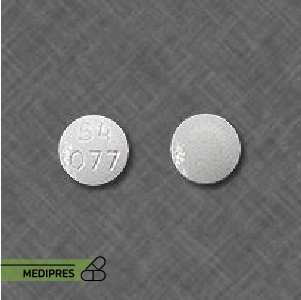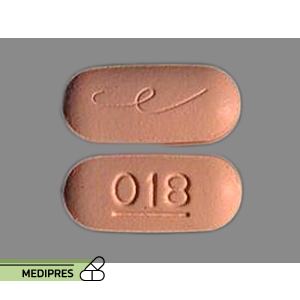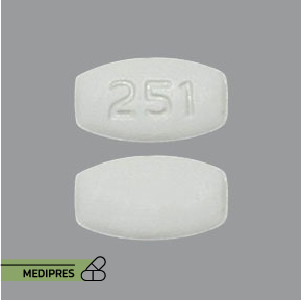

Amoxicillin
23 June, 2023
Ampyra
23 June, 2023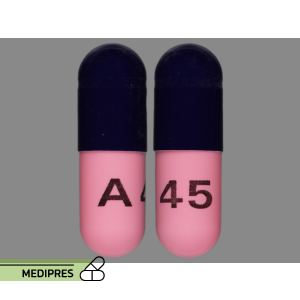
Amoxicillin Tablets
“`html
Generic name: Amoxicillin
Drug class: Penicillin-class antibiotic
Dosage form: Tablets
Route of administration: Oral
Dose: Adults: 500 mg every 12 hours or 250 mg every 8 hours; Children: 20 mg/kg/day divided every 8 hours; Maximum daily dose: 3,000 mg
Mechanism of action: Amoxicillin inhibits bacterial cell wall synthesis by binding to penicillin-binding proteins, leading to cell lysis and death.
Drug usage cases:
- Acute otitis media
- Streptococcal pharyngitis
- Sinusitis
- Community-acquired pneumonia
- Urinary tract infections
- Helicobacter pylori eradication in peptic ulcer disease
- Endocarditis prophylaxis
- Dental infections
- Skin and soft tissue infections
- Lyme disease in children
Drug contraindications:
- Hypersensitivity to amoxicillin or other penicillins
- History of cholestatic jaundice or hepatic dysfunction associated with amoxicillin use
- Mononucleosis (increased risk of rash)
Side effects:
- Gastrointestinal: Nausea, vomiting, diarrhea, abdominal pain
- Hypersensitivity reactions: Rash, urticaria, anaphylaxis
- Hematologic: Eosinophilia, thrombocytopenia, leukopenia
- Hepatic: Elevated liver enzymes, hepatitis, cholestatic jaundice
- Renal: Interstitial nephritis, crystalluria
- Neurologic: Seizures (rare, usually with high doses or renal impairment)
- Superinfection: Overgrowth of non-susceptible organisms, including Clostridium difficile
Warnings:
- Use with caution in patients with renal impairment; dose adjustment may be necessary
- Monitor for signs of anaphylaxis during the first dose
- Prolonged use may lead to superinfection; monitor for new infections
- Use cautiously in patients with a history of gastrointestinal disease, particularly colitis
- May decrease the effectiveness of oral contraceptives; consider additional contraceptive methods
- Use with caution in pregnant women; animal studies have shown adverse effects, but human data is limited
Use during pregnancy or breastfeeding:
Amoxicillin is classified as a Category B drug for pregnancy, indicating that animal studies have not demonstrated a risk to the fetus, but there are no adequate and well-controlled studies in pregnant women. It is generally considered safe for use during pregnancy when prescribed by a healthcare provider. Amoxicillin is excreted into breast milk in small amounts. While adverse effects in nursing infants are uncommon, caution is advised, and monitoring for potential side effects in the infant is recommended.
“`