
Anacin
23 June, 2023
Aplenzin
23 June, 2023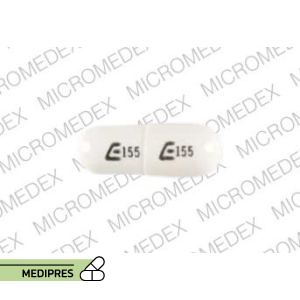
Anagrelide
Generic name: Anagrelide
Drug class: Miscellaneous coagulation modifiers
Dosage form: Oral capsule (0.5 mg; 1 mg)
Route of administration: Oral
Dose:
- Adult dose for thrombocythemia: Initial: 0.5 mg orally 4 times a day, or 1 mg orally twice a day, for a minimum of 7 days. Maintenance: Titrate to the lowest effective dosage required to reduce and maintain the platelet count at less than 600,000 cells/microliter, ideally down to normal levels. Increase the dosage by no more than 0.5 mg/day in any 1-week period. The dosage should not exceed 10 mg/day or 2.5 mg in any single dose.
- Pediatric dose for chronic myelogenous leukemia: Initial dose: 0.5 mg orally daily (recommended) to 0.5 mg orally 4 times daily. Maintenance: Titrate to the lowest effective dosage required to reduce and maintain the platelet count at less than 600,000 cells/microliter, ideally down to normal levels. Increase the dosage by no more than 0.5 mg/day in any 1-week period. The dosage should not exceed 10 mg/day or 2.5 mg in any single dose.
- Pediatric dose for thrombocythemia: Initial dose: 0.5 mg orally daily (recommended) to 0.5 mg orally 4 times daily. Maintenance: Titrate to the lowest effective dosage required to reduce and maintain the platelet count at less than 600,000 cells/microliter, ideally down to normal levels. Increase the dosage by no more than 0.5 mg/day in any 1-week period. The dosage should not exceed 10 mg/day or 2.5 mg in any single dose.
Mechanism of action: Anagrelide inhibits the maturation of platelets from megakaryocytes by interfering with the late (postmitotic) phases of megakaryocyte development. It is a potent inhibitor of phosphodiesterase-II, which leads to reduced platelet production without affecting erythroid and myeloid progenitor cells. Additionally, anagrelide inhibits platelet aggregation by inhibiting cyclic AMP phosphodiesterase.
Drug usage cases:
- Treatment of essential thrombocythemia to reduce elevated platelet counts and the risk of thrombosis.
- Management of thrombocythemia associated with myeloproliferative disorders, including polycythemia vera and chronic myelogenous leukemia.
Drug contraindications:
- Hypersensitivity to anagrelide or any component of the formulation.
- Active bleeding disorders or a history of significant bleeding events.
- Severe hepatic impairment.
- Concurrent use with other platelet aggregation inhibitors unless directed by a healthcare provider.
Side effects:
- Common: Headache, dizziness, palpitations, fatigue, nausea, abdominal pain, dyspnea, cough, fever, edema, rash, chest pain, and tachycardia.
- Serious: Arrhythmias, QT interval prolongation, excessive bleeding, and interstitial nephritis.
Warnings:
- Monitor heart function using an electrocardiograph (ECG) before and during treatment.
- Regular blood tests are necessary to assess platelet counts and liver function.
- Use caution in patients with a history of arrhythmias or QT interval prolongation.
- Discontinue use if signs of excessive bleeding occur.
- Use with caution in patients with hepatic impairment; dosage adjustments may be necessary.
Use during pregnancy or breastfeeding:
Anagrelide is classified as a Category B3 drug in Australia, indicating that it is not expected to harm an unborn baby. However, its safety during pregnancy has not been established in the United States. Therefore, it should be used during pregnancy only if the potential benefit justifies the potential risk to the fetus. Anagrelide may affect fertility and is not recommended for use during breastfeeding.