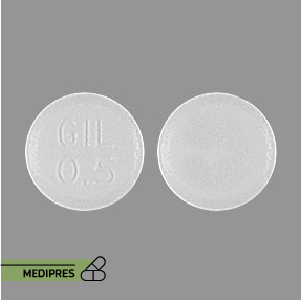

Arrestin
23 June, 2023
Ascriptin
23 June, 2023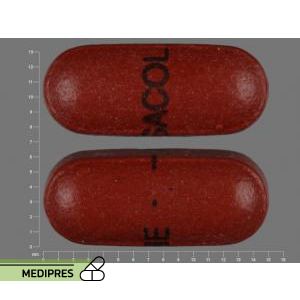
Asacol
Generic name: Mesalamine
Drug class: Aminosalicylates
Dosage form: Delayed-release tablets
Route of administration: Oral
Dose:
- Adults: 800 mg (two 400 mg tablets) three times daily, totaling 2.4 grams per day, for 6 weeks.
- Pediatric patients (5 years and older):
- 17 to <33 kg: 1.2 grams per day, divided into morning and afternoon doses.
- 33 to <54 kg: 2 grams per day, divided into morning and afternoon doses.
- 54 to 90 kg: 2.4 grams per day, divided into morning and afternoon doses.
Mechanism of action: Mesalamine is an anti-inflammatory agent that acts locally in the colon to reduce inflammation by inhibiting the production of prostaglandins and leukotrienes, and by scavenging free radicals. It is released in the terminal ileum and colon, where it exerts its therapeutic effects.
Drug usage cases:
- Treatment of mildly to moderately active ulcerative colitis in patients 5 years of age and older.
- Maintenance of remission of mildly to moderately active ulcerative colitis in adults.
Drug contraindications:
- Hypersensitivity to mesalamine, salicylates, or any component of the formulation.
- Severe liver impairment.
- Severe renal impairment.
Side effects:
- Common: Nausea, abdominal pain, diarrhea, headache, dizziness, rash.
- Serious: Severe abdominal pain, bloody diarrhea, fever, signs of kidney problems (e.g., changes in urination), liver problems (e.g., jaundice), blood disorders (e.g., low white blood cell count), allergic reactions (e.g., hives, difficulty breathing).
Warnings:
- Evaluate renal function prior to initiation and periodically during therapy.
- Monitor for signs of liver dysfunction during treatment.
- Use caution in patients with a history of gastrointestinal obstruction or narrowing.
- Discontinue if signs of mesalamine-induced acute intolerance syndrome occur.
- Protect tablets from moisture; keep the container tightly closed and include desiccant pouches with the tablets.
Use during pregnancy or breastfeeding: Mesalamine crosses the placenta and is excreted in breast milk. Use during pregnancy should be considered only if the potential benefit justifies the potential risk to the fetus. Caution is advised when administering to breastfeeding mothers, as the effects on the nursing infant are unknown. Consult a healthcare provider for personalized advice.