
Asacol
23 June, 2023
Asenapine Tablets
23 June, 2023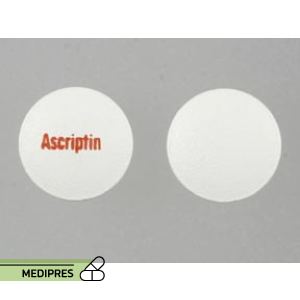
Ascriptin
Generic name:
Aspirin (acetylsalicylic acid)
Drug class:
Salicylate nonsteroidal anti-inflammatory drug (NSAID)
Dosage form:
Tablet (immediate-release, buffered, enteric-coated)
Root of administration:
Oral
Dose:
Typical adult analgesic/antipyretic: 325–650 mg every 4–6 hours as needed (maximum 4 g/day); cardiovascular prophylaxis: 75–325 mg once daily; varies by indication; consult label.
Mechanism of action:
Aspirin irreversibly inhibits cyclooxygenase-1 and cyclooxygenase-2 enzymes, blocking prostaglandin and thromboxane A2 synthesis, resulting in analgesic, antipyretic, anti-inflammatory, and antiplatelet effects.
Drug usage cases:
- Analgesia: mild to moderate pain (headache, musculoskeletal pain, dental pain)
- Antipyretic: fever reduction
- Anti-inflammatory: rheumatoid arthritis, osteoarthritis, inflammatory conditions
- Antiplatelet: primary and secondary prevention of myocardial infarction and stroke
- Acute coronary syndrome management
- Off-label: Kawasaki disease, pericarditis, prophylaxis in certain colorectal cancer screenings
Drug contra indications:
- Hypersensitivity to aspirin or other NSAIDs
- Active peptic ulcer disease or gastrointestinal bleeding
- History of aspirin-induced asthma or urticaria
- Hemorrhagic diathesis or bleeding disorders
- Children and teenagers with viral infections (Reye’s syndrome risk)
- Severe hepatic or renal impairment
- Last trimester of pregnancy
Side effects:
- Gastrointestinal: dyspepsia, nausea, vomiting, gastric ulceration, GI bleeding
- Bleeding: increased risk of hemorrhage, prolonged bleeding time
- Hypersensitivity: rash, urticaria, bronchospasm, anaphylaxis
- Renal: impaired renal function, interstitial nephritis
- CNS: tinnitus, vertigo
- Hematologic: thrombocytopenia, leukopenia, anemia
- Hepatic: elevated liver enzymes, hepatotoxicity
- Reye’s syndrome in pediatric viral illness
Warnings:
- Risk of serious GI bleeding, ulceration, and perforation; use lowest effective dose and consider gastroprotection
- Use with caution in patients with asthma or nasal polyps
- Monitor renal and hepatic function during long-term use
- May increase risk of bleeding; avoid concurrent anticoagulants or corticosteroids unless necessary
- Avoid alcohol to reduce GI toxicity
- May exacerbate hypertension and heart failure
- Discontinue before surgeries or invasive procedures
Use during pregnancy or breastfeeding:
Pregnancy: crosses placenta; may cause fetal harm, risk of premature closure of ductus arteriosus, pulmonary hypertension, oligohydramnios; avoid in third trimester; use only if benefits justify risk. Breastfeeding: excreted in breast milk; low infant exposure but risk of bleeding; use with caution and monitor infant.