
Ascriptin
23 June, 2023
Ashlyna
23 June, 2023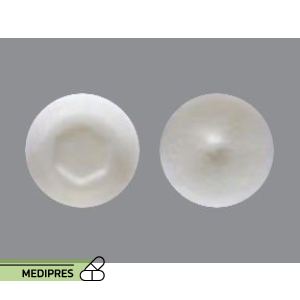
Asenapine Tablets
Generic name: Asenapine
Drug class: Atypical antipsychotic
Dosage form: Sublingual tablets (2.5 mg, 5 mg, 10 mg)
Root of administration: Sublingual
Dose: Adults: 5 mg twice daily; may be increased to 10 mg twice daily based on clinical response and tolerability. Pediatric patients (10–17 years): 5 mg twice daily; may be increased to 10 mg twice daily. Maximum recommended dose: 10 mg twice daily. For maintenance treatment, the effective dose range is 5–10 mg twice daily. Dosage adjustments may be necessary in patients with hepatic impairment.
Mechanism of action: Asenapine is an atypical antipsychotic that modulates neurotransmission by antagonizing dopamine D2 and serotonin 5-HT2A receptors, and partially agonizing 5-HT1A receptors. This receptor profile is believed to contribute to its therapeutic effects in schizophrenia and bipolar I disorder.
Drug usage cases:
- Acute treatment of schizophrenia in adults
- Acute treatment of manic or mixed episodes associated with bipolar I disorder in adults and pediatric patients (10–17 years)
- Maintenance treatment of bipolar I disorder in adults
Drug contraindications:
- Hypersensitivity to asenapine or any component of the formulation
- Severe hepatic impairment
- Concurrent use with strong CYP1A2 inhibitors (e.g., fluvoxamine, ciprofloxacin)
Side effects:
- Somnolence
- Extrapyramidal symptoms (e.g., akathisia, dystonia, dyskinesia, muscle rigidity, parkinsonism)
- Weight gain
- Increased appetite
- Dizziness
- Dysgeusia (altered taste)
- Oral hypoaesthesia (numbness) when taken sublingually
- Increased alanine aminotransferase levels
- Dyspepsia, stomach discomfort, and/or vomiting
Warnings:
- Monitor for signs of neuroleptic malignant syndrome (NMS), a potentially fatal condition characterized by hyperthermia, muscle rigidity, altered mental status, and autonomic dysregulation
- Monitor for tardive dyskinesia, a syndrome of potentially irreversible, involuntary, dyskinetic movements
- Monitor for metabolic changes, including hyperglycemia, dyslipidemia, and weight gain
- Monitor for orthostatic hypotension, which may increase the risk of falls
- Monitor for leukopenia, neutropenia, and agranulocytosis
- Monitor for QT interval prolongation, which may increase the risk of arrhythmias
- Monitor for hyperprolactinemia, which may lead to galactorrhea, gynecomastia, and menstrual disturbances
- Monitor for seizures
- Monitor for cognitive and motor impairment, which may affect the ability to perform tasks requiring mental alertness
- Monitor for body temperature regulation issues, as asenapine may impair the body’s ability to regulate temperature
- Monitor for dysphagia, which may increase the risk of aspiration
Use during pregnancy or breastfeeding:
Pregnancy: Asenapine is classified as a Category C medication for pregnancy, indicating that risk to the fetus cannot be ruled out. Animal studies have shown adverse effects on the fetus, but there are no adequate and well-controlled studies in pregnant women. Asenapine should be used during pregnancy only if the potential benefit justifies the potential risk to the fetus.
Breastfeeding: It is not known whether asenapine is excreted in human milk. Because many drugs are excreted in human milk and because of the potential for serious adverse reactions in nursing infants from asenapine, a decision should be made whether to discontinue nursing or discontinue the drug, taking into account the importance of the drug to the mother.