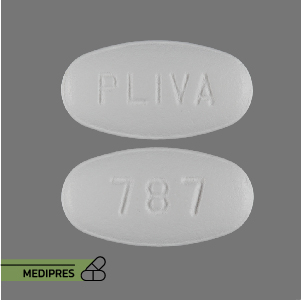

Aripiprazole
23 June, 2023
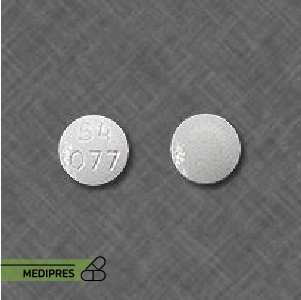
Atorvastatin
23 June, 2023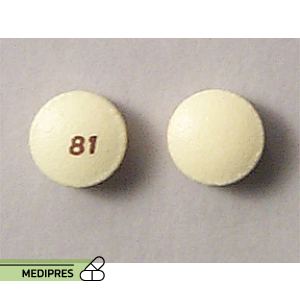
Aspirin
Generic name: Aspirin
Drug class: Nonsteroidal anti-inflammatory drug (NSAID)
Dosage form: Oral tablets, chewable tablets, effervescent tablets, rectal suppositories
Root of administration: Oral, rectal
Dose: For pain and fever: 325–650 mg every 4–6 hours as needed; for cardiovascular protection: 75–325 mg once daily
Mechanism of action: Aspirin irreversibly inhibits cyclooxygenase enzymes (COX-1 and COX-2), leading to decreased synthesis of prostaglandins and thromboxanes, thereby reducing pain, inflammation, and platelet aggregation.
Drug usage cases:
- Relief of minor aches and pains (e.g., headaches, muscle pain, arthritis)
- Reduction of fever
- Management of inflammatory conditions (e.g., rheumatoid arthritis, osteoarthritis)
- Prevention of cardiovascular events (e.g., heart attacks, strokes) in individuals with existing heart disease or risk factors
- Treatment of acute coronary syndrome (e.g., unstable angina, myocardial infarction)
- Management of Kawasaki disease and pericarditis
Drug contra indications:
- Hypersensitivity to aspirin or other NSAIDs
- Active gastrointestinal bleeding or peptic ulcer disease
- History of gastrointestinal bleeding disorders
- Severe hepatic impairment
- Severe renal impairment
- Children and adolescents with viral infections (due to risk of Reye syndrome)
- Concurrent use with other NSAIDs or anticoagulants without medical supervision
Side effects:
- Gastrointestinal irritation (e.g., nausea, vomiting, dyspepsia)
- Gastrointestinal bleeding or ulcers
- Allergic reactions (e.g., rash, urticaria, anaphylaxis)
- Tinnitus (ringing in the ears) at high doses
- Hearing loss at high doses
- Renal impairment
- Elevated liver enzymes
- Asthma exacerbation in sensitive individuals
- Reye syndrome in children and adolescents with viral infections
Warnings:
- Use with caution in individuals with a history of gastrointestinal disorders
- Monitor for signs of bleeding, especially in patients with risk factors
- Discontinue use prior to surgical procedures to reduce bleeding risk
- Use with caution in patients with asthma, as it may exacerbate symptoms
- Monitor renal and hepatic function during prolonged therapy
- Avoid concurrent use with other NSAIDs or anticoagulants without medical supervision
- Not recommended for use in children and adolescents with viral infections due to risk of Reye syndrome
Use during pregnancy or breastfeeding:
Aspirin is generally not recommended during pregnancy, especially in the third trimester, due to potential risks such as premature closure of the ductus arteriosus in the fetus. If used during pregnancy, it should be under medical supervision. Aspirin is excreted in breast milk; caution is advised when administering to nursing mothers, and it should be used only if clearly needed and prescribed by a healthcare provider.