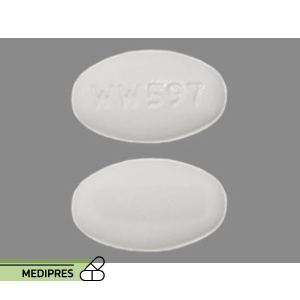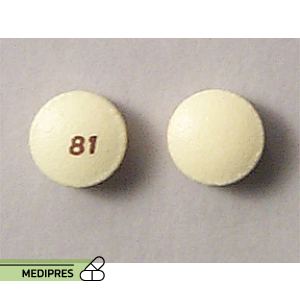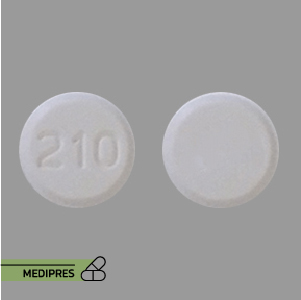

Atarax
23 June, 2023
Ativan (Lorazepam Oral)
23 June, 2023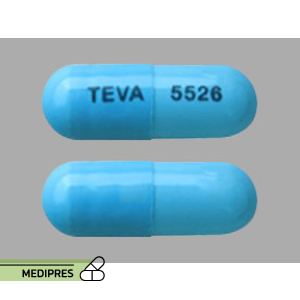
Atazanavir
Generic name: Atazanavir
Drug class: Protease inhibitors
Dosage form: Oral capsule (150 mg; 200 mg; 300 mg), oral powder for reconstitution (50 mg)
Route of administration: Oral
Dose:
- Adults: 400 mg once daily; if coadministered with ritonavir (100 mg) or cobicistat (150 mg), 300 mg once daily
- Children (≥3 months old and weighing ≥11 pounds/5 kg): Dosing varies based on weight and coadministration with ritonavir or cobicistat; consult prescribing information for specific dosing
Mechanism of action: Atazanavir is an azapeptide HIV-1 protease inhibitor that binds to the active site of HIV-1 protease, inhibiting the cleavage of viral Gag and Gag-Pol polyproteins into mature, functional proteins necessary for viral replication. This results in the production of immature, non-infectious viral particles.
Drug usage cases:
- Treatment of HIV-1 infection in combination with other antiretroviral agents
- Post-exposure prophylaxis (PEP) following potential HIV exposure
Drug contraindications:
- Known hypersensitivity to atazanavir or any of its components
- Concomitant use with alfuzosin, rifampin, irinotecan, lurasidone, pimozide, triazolam, midazolam (oral), ergot derivatives, cisapride, St. John’s wort, lovastatin, simvastatin, sildenafil (when used for pulmonary arterial hypertension), or indinavir
Side effects:
- Common: Fever, nausea, vomiting, abdominal pain, diarrhea, headache, muscle pain, depressed mood, insomnia, numbness, tingling, or burning pain in hands or feet, changes in body fat distribution
- Serious: Allergic reactions (e.g., hives, difficulty breathing, swelling of face or throat), severe skin reactions (e.g., fever, sore throat, burning eyes, skin pain, red or purple skin rash that spreads and causes blistering and peeling), sudden dizziness, severe abdominal or back pain, painful urination, blood in urine, high blood sugar (e.g., increased thirst, increased urination, dry mouth, fruity breath odor, headache, blurred vision), liver or gallbladder problems (e.g., nausea, vomiting, upper stomach pain, itching, fever, dark urine, clay-colored stools, jaundice)
Warnings:
- Monitor liver function during treatment; dose adjustments may be necessary in patients with hepatic impairment
- Use caution in patients with a history of heart rhythm abnormalities; may cause changes in heart rhythm
- Monitor blood sugar levels; may cause hyperglycemia
- Monitor for signs of new infections; immune reconstitution inflammatory syndrome may occur
- Use caution in patients with a history of kidney stones; may increase risk of nephrolithiasis
- Use caution in patients with a history of gallstones; may increase risk of cholelithiasis
- Use caution in patients with a history of pancreatitis; may increase risk of pancreatitis
- Use caution in patients with a history of hemophilia; may increase risk of bleeding
- Use caution in patients with a history of depression or other mental health disorders; may cause mood changes
- Use caution in patients with a history of bone disorders; may cause bone density loss
Use during pregnancy or breastfeeding: Atazanavir is classified as a Category B drug for pregnancy, indicating that it is not expected to harm an unborn baby. However, it should only be used during pregnancy if clearly needed. Atazanavir is excreted in breast milk; therefore, breastfeeding is not recommended during treatment to avoid potential transmission of HIV to the infant.