
Atenolol
23 June, 2023
Azilect
23 June, 2023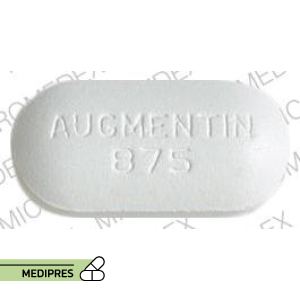
Augmentin
Generic name:
Amoxicillin/clavulanic acid
Drug class:
Beta-lactam antibiotic (penicillin combination)
Dosage form:
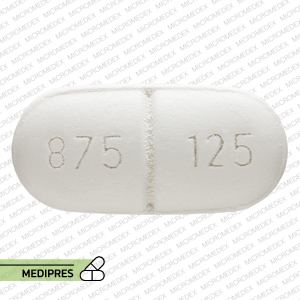
Tablets (250/125 mg, 500/125 mg, 875/125 mg, 1000/62.5 mg), chewable tablets, extended-release tablets, oral suspension, powder for injection
Root of administration:
Oral; intravenous; intramuscular
Dose:
Adults: 250–875 mg amoxicillin component every 8–12 hours (with corresponding clavulanate); severe infections up to 2000/125 mg every 12 hours
Pediatrics: 20–45 mg/kg/day of the amoxicillin component divided every 8–12 hours; higher doses (up to 90 mg/kg/day) for serious infections
Special populations: Adjust in renal impairment; consult label
Mechanism of action:
Amoxicillin inhibits bacterial cell wall synthesis by binding penicillin-binding proteins; clavulanic acid irreversibly inhibits β-lactamases, extending spectrum against resistant organisms.
Drug usage cases:
- Acute otitis media
- Sinusitis
- Community-acquired pneumonia
- Bronchitis exacerbations
- Pharyngitis/tonsillitis
- Skin and soft tissue infections
- Urinary tract infections
- Animal bite wounds
- Bone and joint infections
- Diabetic foot infections
- H. pylori eradication (with clarithromycin and antisecretory agent)
- Off-label: Lyme disease in children, septic abortion prophylaxis
Drug contra indications:
- History of hypersensitivity to penicillins or β-lactam antibiotics
- Previous cholestatic jaundice or hepatic dysfunction associated with Augmentin
- Mononucleosis (high risk of rash)
- Severe renal impairment without dose adjustment
Side effects:
- Diarrhea
- Nausea, vomiting
- Abdominal pain
- Rash, urticaria
- Hepatic transaminase elevations
- Cholestatic jaundice
- C. difficile–associated diarrhea
- Anemia, thrombocytopenia, neutropenia
- Hypersensitivity reactions (anaphylaxis, angioedema)
- Stevens-Johnson syndrome, toxic epidermal necrolysis
- Seizures in high doses or renal impairment
Warnings:
- Serious hypersensitivity reactions; discontinue immediately if allergic symptoms occur
- Clostridium difficile–associated diarrhea can range from mild to fatal
- Use with caution in renal impairment; adjust dose to avoid toxicity
- Hepatic events, including cholestatic hepatitis; monitor liver function
- Severe cutaneous adverse reactions; discontinue if lesions develop
- Hematologic effects (hemolytic anemia, leukopenia); monitor blood counts for prolonged therapy
- Potential for seizure risk at high doses, especially in renal failure
Use during pregnancy or breastfeeding:
Pregnancy: Category B. Animal studies have not demonstrated risk; limited human data show no increased malformation rate. Use only if clearly needed and benefits outweigh risks.
Breastfeeding: Excreted in breast milk; small risk of gastrointestinal disturbance or sensitization. Monitor infant for diarrhea or rash. Breastfeeding may be continued with caution.