

Cardene
23 June, 2023
Carnitor
23 June, 2023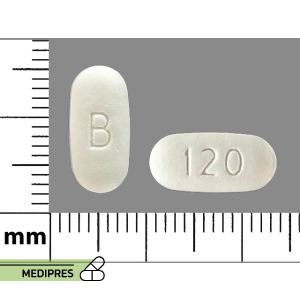
Cardizem LA
Generic name: Diltiazem hydrochloride
Drug class: Calcium channel blockers, Group IV antiarrhythmics
Dosage form: Extended-release tablets
Route of administration: Oral
Dose:
- Hypertension: Initiate at 180 to 240 mg once daily; titrate according to blood pressure response up to a maximum of 540 mg daily. Maximum antihypertensive effect is usually observed by 14 days of chronic therapy.
- Angina: Initiate at 180 mg once daily; increase dose at intervals of 7 to 14 days if adequate response is not obtained, to a maximum of 360 mg daily.
Mechanism of action: Diltiazem is a calcium channel blocker that inhibits the influx of calcium ions into myocardial and vascular smooth muscle cells during membrane depolarization. This inhibition results in decreased heart rate and systemic blood pressure, leading to increased exercise tolerance and decreased myocardial oxygen demand. Additionally, diltiazem dilates and relaxes coronary arteries, enhancing blood flow to the heart muscle.
Drug usage cases:
- Hypertension
- Chronic stable angina
Drug contraindications:
- Patients with sick sinus syndrome except in the presence of a functioning ventricular pacemaker
- Patients with second- or third-degree AV block except in the presence of a functioning ventricular pacemaker
- Patients with hypotension (less than 90 mm Hg systolic)
- Patients who have demonstrated hypersensitivity to the drug
- Patients with acute myocardial infarction and pulmonary congestion
Side effects:
- Bradycardia
- Second- or third-degree AV block
- Hypotension
- Headache
- Dizziness
- Fatigue
- Peripheral edema
- Nausea
- Rash
- Elevated liver enzymes
- Severe skin reactions (e.g., Stevens-Johnson syndrome, toxic epidermal necrolysis)
Warnings:
- Monitor heart rate and rhythm due to potential bradycardia and AV block
- Use caution in patients with heart failure; monitor for signs and symptoms
- Elevated liver enzymes may occur; monitor liver function during therapy
- Severe skin reactions have been reported; discontinue if persistent rash occurs
- Use with caution in elderly patients; dose adjustments may be necessary
- Monitor renal function in patients with renal impairment
- Use with caution in patients with hepatic impairment; dose adjustments may be necessary
- Concomitant use with beta-blockers or digitalis may result in additive effects on cardiac conduction
Use during pregnancy or breastfeeding:
Diltiazem is classified as a Category C drug for pregnancy, indicating that risk to the fetus cannot be ruled out. It should be used during pregnancy only if the potential benefit justifies the potential risk to the fetus. Caution is advised when administering diltiazem to breastfeeding mothers, as it is excreted in breast milk. The decision to use diltiazem during breastfeeding should be made after careful consideration of the potential benefits and risks.