
Chlordiazepoxide
23 June, 2023
Chloromycetin
23 June, 2023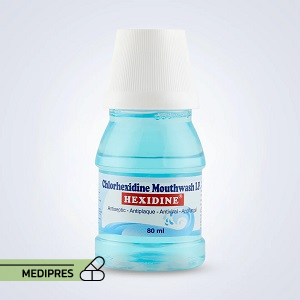
Chlorhexidine
Package insert / product label
Generic name: Chlorhexidine gluconate
Drug class: Antiseptic and disinfectant
Dosage form: Mouthwash, topical solution, gel, spray, and sponges for surgical use
Route of administration: Topical, Oral
Available Dose:
- Mouthwash: Typically available in 0.12% to 0.2% solutions.
- Topical solution: Commonly available in 2% to 4% solutions.
- Gel and Spray: Various concentrations depending on the product and use.
Mechanism of action: Chlorhexidine works by disrupting the cell membrane of bacteria, causing the cell contents to leak out, which results in bacterial death. It has broad-spectrum antibacterial activity and maintains action against both Gram-positive and Gram-negative organisms.
Drug usage cases: Chlorhexidine is used for various antiseptic and disinfectant purposes including skin cleansing, surgical scrub, wound cleaning, and as a mouthwash to treat and prevent gum diseases. It is also used in healthcare settings for hand hygiene and to prevent infections in patients.
Drug contra indications: Contraindicated in patients with known hypersensitivity to chlorhexidine. Caution is needed when used near the ears or the eyes due to the risk of causing irritation or injury.
Side effects: Common side effects include skin irritation, staining of teeth when used as a mouthwash, and taste disturbance. More severe reactions, though rare, include allergic dermatitis and anaphylaxis.
Warnings: Avoid contact with eyes, middle ear, meninges, and brain. Chlorhexidine mouthwash should not be swallowed. Extended use may result in altered taste perception and staining of dental surfaces.
Use during pregnancy or breastfeeding: The safety of chlorhexidine during pregnancy and breastfeeding is not fully established. It should be used only when clearly needed and when the potential benefits outweigh the potential risks.
Chlorhexidine is a highly effective antiseptic agent widely used in medical and dental settings. Its use helps to reduce the risk of infection, particularly in surgical and dental procedures. However, its use should be properly managed to avoid side effects and potential hypersensitivity reactions.