

Chlorhexidine
23 June, 2023
Chlorpheniramine Tablets
23 June, 2023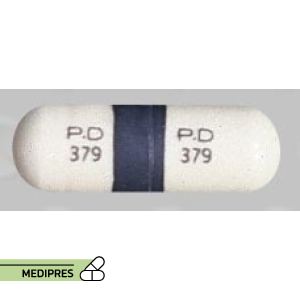
Chloromycetin
Generic name: Chloramphenicol
Drug class: Antibiotics
Dosage form: Capsules, suspension, injection
Route of administration: Oral, intravenous
Dose:
- Adults and teenagers: 12.5 mg per kg of body weight every six hours
- Infants up to 2 weeks of age: 6.25 mg per kg of body weight every six hours
- Infants 2 weeks of age and older: 12.5 mg per kg of body weight every six hours; or 25 mg per kg of body weight every twelve hours
Mechanism of action: Chloramphenicol inhibits bacterial protein synthesis by binding to the 50S subunit of the bacterial ribosome, preventing the formation of peptide bonds between amino acids, thereby halting bacterial growth and reproduction.
Drug usage cases:
- Treatment of serious bacterial infections such as meningitis, typhoid fever, and infections caused by Salmonella species, Haemophilus influenzae, and Rickettsia
- Management of infections in patients with cystic fibrosis
- Use in cases where other antibiotics are ineffective or contraindicated
Drug contraindications:
- Hypersensitivity to chloramphenicol
- Use in the treatment of trivial infections or as a prophylactic agent
- Porphyria
Side effects:
- Gastrointestinal disturbances: nausea, vomiting, diarrhea, abdominal pain
- Hematologic effects: bone marrow suppression leading to anemia, leukopenia, thrombocytopenia, and in severe cases, aplastic anemia
- Gray baby syndrome in neonates, characterized by abdominal distension, cyanosis, vasomotor collapse, and potential fatality
- Allergic reactions: rash, itching, swelling, difficulty breathing
- Peripheral neuropathy: numbness, tingling, and weakness in extremities
- Liver toxicity: jaundice, dark urine, fatigue, upper abdominal pain
- Optic and peripheral neuritis with prolonged use
Warnings:
- Clostridium difficile-associated diarrhea (CDAD) may occur, ranging from mild diarrhea to fatal colitis
- Use with caution in patients with impaired hepatic or renal function; dosage adjustments may be necessary
- Monitor blood counts regularly during therapy due to risk of hematologic toxicity
- Use only when necessary to minimize the risk of antibiotic resistance
- Not recommended for use during pregnancy and breastfeeding due to potential harm to the fetus or nursing infant
Use during pregnancy or breastfeeding: Chloramphenicol is generally not recommended during pregnancy and breastfeeding due to potential risks to the fetus or nursing infant. It may cause gray baby syndrome in neonates, characterized by abdominal distension, cyanosis, vasomotor collapse, and potential fatality. Therefore, its use is contraindicated in these populations unless absolutely necessary and prescribed by a healthcare professional.