
Chloromycetin
23 June, 2023
Chlorzoxazone
23 June, 2023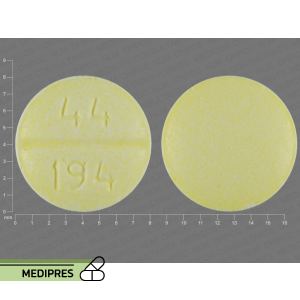
Chlorpheniramine Tablets
Generic name:
Chlorpheniramine
Drug class:
First-generation H1-antihistamine (alkylamine class)
Dosage form:
Oral tablets: 4 mg; extended-release tablets: 8 mg
Root of administration:
Oral
Dose:
Adults: 4 mg orally every 4–6 hours (maximum 24 mg/24 h); Children 6–12 years: 4 mg every 4–6 hours (max 24 mg/24 h); Children 2–6 years: 2 mg every 4–6 hours (max 12 mg/24 h). Varies by indication; consult label.
Mechanism of action:
Reversible antagonist of peripheral H1 histamine receptors, reducing allergic symptoms; crosses the blood–brain barrier causing central anticholinergic effects.
Drug usage cases:
- Allergic rhinitis (hay fever)
- Urticaria (hives)
- Pruritus (itching) of allergic origin
- Allergic conjunctivitis (off-label)
- Common cold symptoms (runny nose, sneezing)
- Allergic dermatitis (off-label)
- Sedation in some cases (off-label)
Drug contra indications:
- Hypersensitivity to chlorpheniramine or other alkylamine antihistamines
- Concurrent or recent (within 14 days) monoamine oxidase inhibitor therapy
- Newborn or premature infants
- Narrow-angle glaucoma
- Stenosing peptic ulcer
- Symptomatic prostatic hypertrophy
- Bladder-neck obstruction
- Acute asthma exacerbations
Side effects:
- Drowsiness, sedation
- Dizziness, incoordination
- Headache
- Blurred vision
- Dry mouth, nose, throat
- Constipation, nausea, gastrointestinal upset
- Urinary retention
- Tachycardia, hypotension
- Nervousness, restlessness, irritability (especially in children)
- Paradoxical excitation in pediatric patients
- Confusion (especially in elderly)
- Photosensitivity
- Palpitations
- Rare: seizures, blood dyscrasias (e.g., agranulocytosis)
Warnings:
- May cause significant sedation—avoid driving or operating machinery
- Avoid concurrent alcohol or other CNS depressants
- Caution in elderly—risk of falls and anticholinergic effects
- Caution in patients with renal or hepatic impairment
- Risk of anticholinergic toxicity with overdose
- Use with caution in cardiovascular disease and hypertension
- Avoid in acute asthma—may thicken bronchial secretions
- Photosensitivity reactions possible—limit sun exposure
- Paradoxical CNS stimulation may occur, especially in children
Use during pregnancy or breastfeeding:
Pregnancy Category B. Animal studies have not demonstrated fetal risk, but adequate human studies are lacking. Use only if clearly needed and benefits outweigh potential risks.
Chlorpheniramine is excreted in breast milk. Caution is advised; monitor nursing infants for sedation and feeding difficulties. Consider alternatives if breastfeeding.