
Choline magnesium trisalicylate
23 June, 2023
Cisplatin
23 June, 2023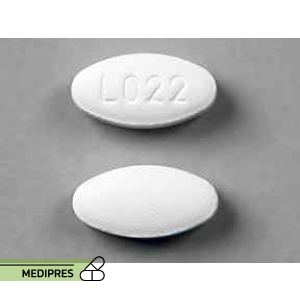
Cimetidine Tablets
Description
Generic name:
cimetidine
Drug class:
Histamine H2-receptor antagonist
Dosage form:
- Tablets: 200 mg, 300 mg
- Oral solution (varies by market)
Route of administration:
Oral
Dose:
- Duodenal ulcer: 300 mg four times daily or 400 mg twice daily
- Gastric ulcer: 400 mg twice daily
- GERD: 800 mg at bedtime or 300 mg four times daily
- Zollinger-Ellison syndrome/hypersecretory conditions: 800–1600 mg daily in divided doses (up to 2400 mg/day)
- Heartburn/indigestion: 200 mg as needed up to four times daily
- Renal impairment: dose adjustment required
- Varies by indication; consult label.
Mechanism of action:
Cimetidine is a competitive inhibitor of histamine at H2 receptors of the gastric parietal cells, reducing basal and stimulated gastric acid secretion and peptide-stimulated gastric volume.
Drug usage cases:
- Duodenal ulcer (healing and maintenance)
- Gastric ulcer (healing and maintenance)
- Gastroesophageal reflux disease (GERD)
- Zollinger-Ellison syndrome and other pathological hypersecretory conditions
- Stress ulcer prophylaxis (off-label)
- Heartburn, acid indigestion (OTC symptomatic relief)
- Laryngeal reflux (off-label)
Drug contraindications:
- Hypersensitivity to cimetidine or any component of the formulation
- History of acute porphyria (may precipitate attack)
- Varies by indication; consult label.
Side effects:
- Common: headache, dizziness, diarrhea, constipation, nausea, abdominal discomfort
- Central nervous system: confusion, delirium (elderly or renal/hepatic impairment)
- Endocrine: gynecomastia, impotence, decreased libido (high doses/long term)
- Hematologic: neutropenia, thrombocytopenia, leukopenia, aplastic anemia (rare)
- Hepatic: elevated liver enzymes, hepatitis (rare)
- Cardiovascular: arrhythmias, hypotension (IV use), bradycardia
- Skin: rash, urticaria, alopecia (rare)
- Allergic reactions: angioedema, anaphylaxis (rare)
Warnings:
- Renal impairment: dose adjustment required to avoid accumulation
- Hepatic impairment: monitor liver function, risk of encephalopathy
- Central nervous system effects: confusion, agitation in elderly or debilitated patients
- Pneumonia risk: consider risk in hospitalized patients with aspiration risk
- Drug interactions: potent CYP450 inhibitor; may increase levels of warfarin, phenytoin, theophylline, diazepam, lidocaine, others
- Masking of gastric malignancy: ensure ulcer diagnosis is benign before long-term use
- Acute porphyria: may precipitate attacks
- Varies by indication; consult label.
Use during pregnancy or breastfeeding:
Pregnancy: Category B. Animal studies have not demonstrated risk to the fetus; no adequate controlled studies in pregnant women. Use only if clearly needed.
Breastfeeding: Cimetidine is excreted in breast milk in small amounts. Monitor infant for gastrointestinal disturbances or hormonal effects. Weigh benefits of therapy against potential risks.