
Codeine
23 June, 2023
Crestor
23 June, 2023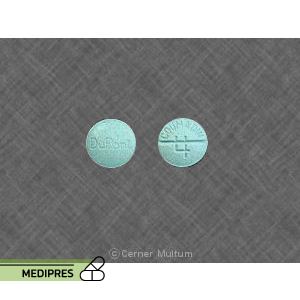
Coumadin
Generic name:
Warfarin sodium
Drug class:
Vitamin K antagonist anticoagulant
Dosage form:
Tablets: 1 mg, 2 mg, 2.5 mg, 3 mg, 4 mg, 5 mg, 6 mg, 7.5 mg, 10 mg
Route of administration:
Oral
Dose:
Initial: 2–5 mg once daily for 1–2 days, then adjust. Maintenance: 1–10 mg once daily (commonly 2–10 mg/day) titrated to INR.
Pediatric: Varies by indication; consult label.
Mechanism of action:
Inhibits vitamin K epoxide reductase, reducing regeneration of active vitamin K and synthesis of vitamin K–dependent clotting factors II, VII, IX, X, and proteins C and S.
Drug usage cases:
- Prevention and treatment of deep vein thrombosis (DVT)
- Treatment and prevention of pulmonary embolism (PE)
- Prophylaxis and treatment of thromboembolic complications of atrial fibrillation
- Prevention of systemic embolism after myocardial infarction
- Prophylaxis of thromboembolic events in patients with prosthetic heart valves
- Prevention of recurrent transient ischemic attacks and stroke
- Off-label: Treatment of venous thromboembolism in antiphospholipid syndrome
- Off-label: Secondary prevention of recurrent myocardial infarction
Drug contraindications:
- Hypersensitivity to warfarin or any component
- Hemorrhagic tendencies, blood dyscrasias, active bleeding
- Recent or potential surgery of eye, brain, or spinal cord
- Severe uncontrolled hypertension
- Pregnancy (except in mechanical heart valve patients)
- Unsupervised patients or inability to monitor INR
- Bacterial endocarditis
- Lumbar puncture or regional anesthesia
Side effects:
- Bleeding (e.g., gastrointestinal, intracranial, genitourinary, mucosal)
- Skin necrosis
- Purple toe syndrome
- Ecchymosis and bruising
- Alopecia
- Dermatitis, urticaria
- Nausea and vomiting
- Diarrhea
- Fever
- Hypersensitivity reactions
Warnings:
- Frequent INR monitoring required
- High risk of major bleeding; monitor signs of hemorrhage
- Multiple drug and dietary interactions; maintain consistent vitamin K intake
- Risk of tissue necrosis; monitor skin for lesions
- Use caution in hepatic or renal impairment
- Adjust dose in elderly, malnourished, or patients with CHF
- Avoid activities with high risk of trauma
Use during pregnancy or breastfeeding:
Warfarin crosses the placenta and may cause fetal warfarin syndrome (nasal hypoplasia, stippled epiphyses), fetal hemorrhage, and death. Contraindicated in pregnancy except in women with mechanical heart valves when benefits outweigh risks. Warfarin is excreted in breast milk; breastfeeding is not recommended during therapy.