
Herceptin
23 June, 2023
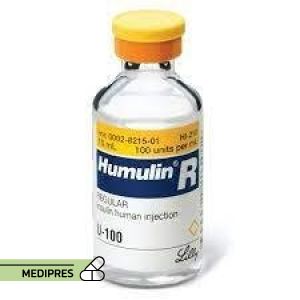
Humulin R
23 June, 2023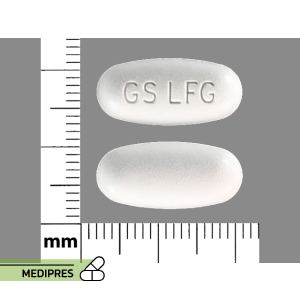
Horizant
Description
Generic name:
Gabapentin enacarbil
Drug class:
GABA analogue; anticonvulsant; neuropathic pain agent
Dosage form:
Extended-release tablets: 600 mg
Root of administration:
Oral
Dose:
- Restless legs syndrome (RLS): 600 mg once daily at 5 PM (maximum 1,200 mg/day)
- Postherpetic neuralgia (PHN): 600 mg twice daily (maximum 1,200 mg/day)
- Off-label indications: Varies by indication; consult label.
Mechanism of action:
Gabapentin enacarbil is a prodrug converted by nonspecific esterases to gabapentin, which binds the α₂δ subunit of voltage-gated calcium channels, reducing excitatory neurotransmitter release.
Drug usage cases:
- Approved: Moderate-to-severe primary restless legs syndrome (RLS)
- Approved: Postherpetic neuralgia (PHN)
- Off-label: Diabetic peripheral neuropathy
- Off-label: Fibromyalgia
- Off-label: Migraine prophylaxis
- Off-label: Bipolar disorder (adjunctive)
- Off-label: Anxiety disorders
- Off-label: Other neuropathic pain conditions
Drug contra indications:
- Hypersensitivity to gabapentin enacarbil, gabapentin, or any component of the formulation
Side effects:
- Dizziness
- Somnolence
- Fatigue
- Headache
- Nausea and vomiting
- Dry mouth
- Weight gain
- Peripheral edema
- Ataxia
- Diplopia and other visual disturbances
- Tremor
- Confusion
- Infection
- Mood changes (depression, euphoria, irritability)
- Gastrointestinal symptoms (diarrhea, constipation)
- Respiratory depression (especially with CNS depressants)
- Withdrawal symptoms upon abrupt discontinuation
Warnings:
- Suicidal ideation and behavior: monitor for changes in mood or behavior
- CNS depression: caution with other CNS depressants and alcohol
- Respiratory depression: risk increased with opioids, elderly, or pulmonary disease
- Potential for abuse and misuse
- Renal impairment: adjust dose based on creatinine clearance
- Discontinuation: taper gradually to avoid withdrawal symptoms
- Hypersensitivity reactions: angioedema, rash, anaphylaxis
- Peripheral edema: monitor in patients with heart failure or vascular disease
- Geriatric patients: increased risk of sedation, dizziness, and falls
- Impaired driving or operating machinery: dose-related somnolence and cognitive impairment
Use during pregnancy or breastfeeding:
Pregnancy: Animal studies have shown fetal harm at exposures ≥ human therapeutic levels; no adequate well-controlled human studies. Use only if potential benefit justifies potential risk (Category C).
Breastfeeding: Gabapentin is excreted in human milk; infant exposure is likely. Evaluate benefits versus risks, monitor infant for sedation and feeding difficulties, and consider discontinuing drug or formula feeding if necessary.