
Ketek
23 June, 2023
Kimmtrak
23 June, 2023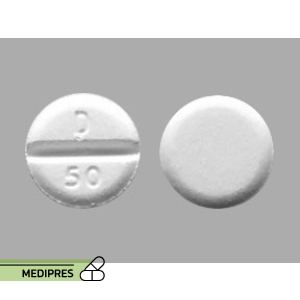
Keveyis
Description
Generic name: dichlorphenamide
Drug class: Carbonic anhydrase inhibitors
Dosage form: Tablets
Root of administration: Oral
Dose: Initiate at 50 mg once or twice daily; adjust based on individual response; minimum 50 mg daily, maximum 200 mg daily
Mechanism of action: Dichlorphenamide inhibits carbonic anhydrase, leading to decreased muscle excitability and reduced frequency of periodic paralysis episodes.
Drug usage cases:
- Primary hyperkalemic periodic paralysis
- Primary hypokalemic periodic paralysis
- Related variants of periodic paralysis
Drug contra indications:
- Severe breathing problems
- Liver disease
- Allergy to sulfa drugs
- Concurrent high-dose aspirin therapy
Side effects:
- Numbness or tingling
- Difficulty thinking and paying attention
- Changes in taste
- Confusion
- Leg cramps
- Constipation
- Irregular heartbeats
- Fluttering in the chest
- Increased thirst or urination
- Numbness or tingling
- Muscle weakness or limp feeling
- Signs of too much acid in the blood: irregular heartbeats, feeling tired, loss of appetite, trouble thinking, feeling short of breath
Warnings:
- May cause blurred vision and impair reactions; avoid driving or hazardous activities until effects are known
- Risk of accidental falls, especially in older adults or those on high doses
- Monitor for metabolic acidosis; may require dose adjustment or discontinuation if persistent
- Use caution in patients with electrolyte imbalances; monitor serum bicarbonate levels
- Potential for drug interactions; inform healthcare providers of all medications
Use during pregnancy or breastfeeding: Avoid use during pregnancy due to potential harm from metabolic acidosis. Safety during breastfeeding is not established; consult a healthcare provider for guidance.