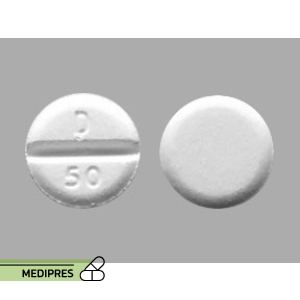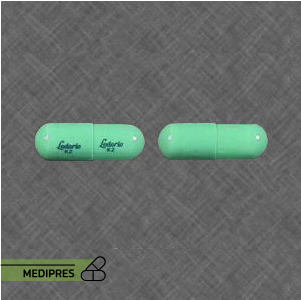

Kineret
23 June, 2023
Kolorz Fluoride Foam
23 June, 2023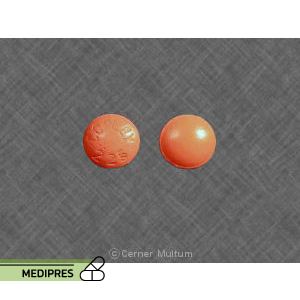
Klor-Con M
Generic name:
Potassium chloride
Drug class:
Electrolyte supplement; mineral
Dosage form:
Extended-release tablets (10 mEq, 15 mEq); Micro-crystals for oral solution (20 mEq/15 mL)
Root of administration:
Oral
Dose:
Typical adult: 20–40 mEq/day in 1–2 divided doses; dosing range 8–100 mEq/day based on severity. Pediatric: varies by weight and indication. Adjust for renal function and formulation. Do not exceed 20 mEq per dose.
Mechanism of action:
Supplies potassium to replenish intracellular stores and maintain normal membrane potential in nerve, cardiac, and muscle cells.
Drug usage cases:
- Prevention and treatment of hypokalemia
- Potassium depletion due to diuretics, vomiting, diarrhea, or alkalosis
- Adjunct in management of digitalis toxicity
- Off-label: prevention of renal calculi in patients with recurrent calcium stones
- Off-label: supportive therapy in Bartter syndrome
Drug contra indications:
- Hyperkalemia
- Severe renal impairment or anuria
- Acute dehydration
- Addison’s disease (uncontrolled)
- Untreated acute metabolic acidosis
- Known hypersensitivity to potassium chloride
- Severe tissue trauma or rhabdomyolysis
Side effects:
- Gastrointestinal: nausea, vomiting, diarrhea, abdominal pain, flatulence
- Esophageal ulceration (capsules/tablets)
- GI irritation or bleeding
- Hyperkalemia: muscle weakness, paresthesia, arrhythmias, cardiac arrest
- Phlebitis or vein irritation (oral solution if extravasation)
- Allergic reactions: rash, pruritus
- Intestinal necrosis or ulcer in overdose
Warnings:
- Risk of severe gastrointestinal lesions—monitor for dysphagia, chest pain
- Do not crush or chew extended-release tablets; swallow whole
- Use caution in renal impairment; monitor serum potassium and renal function
- Coadministration with ACE inhibitors, ARBs, NSAIDs increases hyperkalemia risk
- Monitor ECG in patients at risk for arrhythmias
- Ensure adequate hydration to reduce risk of GI irritation
- Adjust dose slowly to avoid rebound hyperkalemia
Use during pregnancy or breastfeeding:
Potassium is essential in pregnancy, but excessive supplementation may lead to maternal or fetal hyperkalemia. Use only if clearly needed and monitor serum levels. Limited data on excretion into breast milk; use caution and monitor nursing infants for hyperkalemia and gastrointestinal symptoms. Adjust maternal dose to the lowest effective amount.