
Lithium
23 June, 2023
Loratadine
23 June, 2023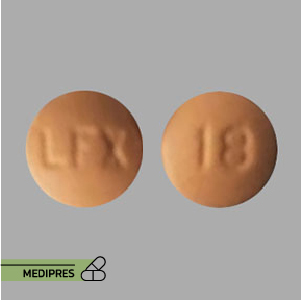
Lofexidine
Generic name: Lofexidine
Drug class: Antiadrenergic agents, centrally acting
Dosage form: Tablet
Root of administration: Oral
Dose: 0.18 mg
Mechanism of action: Lofexidine works by blocking the release of norepinephrine, a hormone similar to adrenaline that contributes to opioid withdrawal symptoms.
Drug usage cases: Opioid Withdrawal: Lofexidine is specifically indicated for the mitigation of opioid withdrawal symptoms in adults. It is used to help alleviate the discomfort experienced during the opioid withdrawal process. Lofexidine is not a treatment for opioid addiction itself but rather helps manage the symptoms that occur when opioid use is discontinued or reduced. Opioid Detoxification: Lofexidine is often used in combination with other medications and therapies as part of a comprehensive opioid detoxification program. It can be used in various healthcare settings, including inpatient detoxification centers, outpatient programs, and community-based treatment facilities.
Drug contra indications: You should not use lofexidine if you are allergic to it. To make sure lofexidine is safe for you, tell your doctor if you have ever had:
slow heartbeats, low blood pressure, heart problems, a heart attack or stroke, an electrolyte imbalance (such as low levels of potassium or magnesium in your blood), long QT syndrome (in you or a family member), kidney disease; or liver disease. Lofexidine is not approved for use by anyone younger than 18 years old.
side effects: Get emergency medical help if you have signs of an allergic reaction to lofexidine: hives; difficult breathing; swelling of your face, lips, tongue, or throat. Call your doctor at once if you have:
slow heartbeats, severe dizziness or drowsiness; a light-headed feeling, like you might pass out.
Warnings: Lofexidine can cause serious side effects on your heart or blood vessels. Call your doctor at once if you have slow heartbeats, severe dizziness, or if you feel faint. Do not take another dose of lofexidine until you have talked to your doctor. Avoid driving and doing other tasks or actions that call for you to be alert until you see how lofexidine affects you. Avoid becoming overheated or dehydrated, or you could have very low blood pressure. Avoid getting up too fast from a sitting or lying position, or you may feel dizzy. You should not stop using lofexidine suddenly. Follow your doctor’s instructions about tapering your dose. High blood pressure, anxiety, arm or leg pain, chills, diarrhea, trouble sleeping, and sweating a lot have happened when this medicine was stopped all of a sudden. Lofexidine is not used to keep a drug-free state. People who have stopped taking opioid drugs may have more risk of side effects if they take opioid drugs again. This includes a raised chance of overdose and death.
Use during pregnancy or breastfeeding: It is not known whether lofexidine will harm an unborn baby. Tell your doctor if you are pregnant or plan to become pregnant. It may not be safe to breast-feed while using this medicine. Ask your doctor about any risk.