
Lunsumio Injection
23 June, 2023
LYMEPAK
23 June, 2023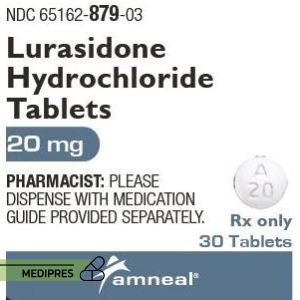
Lurasidone Tablets
Generic name: Lurasidone
Drug class: Atypical antipsychotic
Dosage form: Tablets (20 mg, 40 mg, 60 mg, 80 mg, 120 mg)
Route of administration: Oral
Dose: Schizophrenia: 40 mg once daily, titrated up to 80–160 mg/day; Bipolar depression: 20–120 mg/day
Mechanism of action: Lurasidone is an atypical antipsychotic that acts as an antagonist at dopamine D₂ and D₃ receptors, serotonin 5-HT₂A and 5-HT₇ receptors, and α₂C-adrenergic receptors. It also functions as a partial agonist at serotonin 5-HT₁A receptors. This profile helps balance dopamine and serotonin levels in the brain, contributing to its therapeutic effects in mood and thought disorders.
Drug usage cases:
- Treatment of schizophrenia in adults and adolescents aged 13 years and older
- Management of depressive episodes associated with bipolar I disorder in adults and children aged 10 years and older, either as monotherapy or adjunctive therapy with lithium or valproate
Drug contraindications:
- Hypersensitivity to lurasidone or any of its components
- Concurrent use with strong CYP3A4 inhibitors (e.g., ketoconazole, clarithromycin, ritonavir, voriconazole) due to increased lurasidone plasma concentrations
- Concurrent use with strong CYP3A4 inducers (e.g., rifampin, carbamazepine, St. John’s wort) due to decreased lurasidone plasma concentrations
- Severe hepatic impairment
- Known history of neuroleptic malignant syndrome (NMS) or tardive dyskinesia
Side effects:
- Common: Sedation, nausea, insomnia, restlessness, weight gain
- Serious: Neuroleptic malignant syndrome (fever, muscle rigidity, altered mental status), tardive dyskinesia (involuntary movements), hyperglycemia, increased cholesterol and triglyceride levels, orthostatic hypotension, leukopenia, neutropenia, and agranulocytosis
Warnings:
- Increased mortality in elderly patients with dementia-related psychosis
- Risk of suicidal thoughts and behaviors in children, adolescents, and young adults
- Potential for QT interval prolongation; caution in patients with a history of cardiac arrhythmias
- Use with caution in patients with a history of seizures
- Monitor for signs of metabolic changes, including weight gain, hyperglycemia, and dyslipidemia
- Discontinue if signs of neuroleptic malignant syndrome or tardive dyskinesia develop
Use during pregnancy or breastfeeding: Lurasidone is classified as a pregnancy Category B drug, indicating no evidence of risk in humans. However, it should be used during pregnancy only if clearly needed. It is not recommended during breastfeeding due to potential risks to the nursing infant. Consult a healthcare provider for personalized advice.