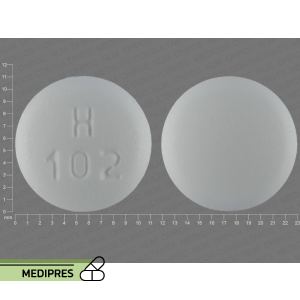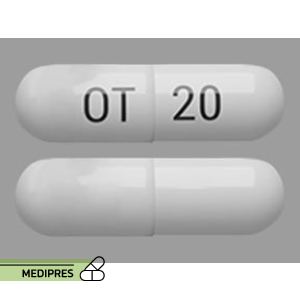

Methadone Oral Concentrate
23 June, 2023
Methergine (Methylergonovine Oral)
23 June, 2023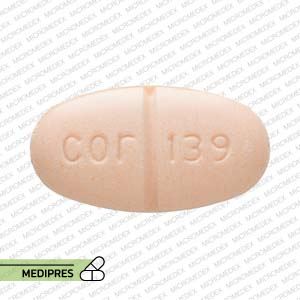
Methenamine Mandelate Tablets
Generic name:
Methenamine mandelate
Drug class:
Urinary tract antiseptic/antibacterial
Dosage form:
Tablets (1 g)
Root of administration:
Oral
Dose:
Adults: 1 g orally twice daily with meals. Pediatrics: 30 mg/kg/day in divided doses (up to 1 g/day). Dose may vary by indication; consult label.
Mechanism of action:
In acidic urine (pH <6), methenamine hydrolyzes to formaldehyde and ammonia; formaldehyde exerts bactericidal activity by denaturing bacterial proteins. Mandelate salt helps maintain acidic urine to promote conversion.
Drug usage cases:
- Prophylaxis of recurrent urinary tract infections (UTIs)
- Chronic suppression of bacteriuria in patients with structural or functional urinary tract abnormalities
- Prevention of catheter-associated UTIs (off-label)
- Suppression of UTIs in spinal cord injury or neurogenic bladder (off-label)
- Intermittent self-catheterization–associated UTI prophylaxis (off-label)
Drug contra indications:
- Renal impairment (CrCl <30 mL/min)
- Severe hepatic insufficiency
- Known hypersensitivity to methenamine or mandelic acid
- Urinary retention or obstruction
- Dehydration
Side effects:
- Gastrointestinal: nausea, vomiting, diarrhea, abdominal cramps
- Neurologic: headache
- Dermatologic: rash, urticaria
- Genitourinary: dysuria, bladder irritation
- Metabolic: electrolyte disturbances
- Hypersensitivity reactions including anaphylaxis (rare)
Warnings:
- Requires acidic urine (pH <6) for efficacy; alkalinizing agents reduce effectiveness
- Assess renal and hepatic function before and periodically during therapy
- Avoid in patients with significant renal or hepatic dysfunction
- Use caution in elderly or debilitated patients
- May interfere with urinary lab tests (e.g., ketones, bilirubin)
- Not effective for acute symptomatic UTIs
Use during pregnancy or breastfeeding:
Pregnancy: Category C. Animal studies demonstrate adverse fetal effects at high doses; human data are limited. Use only if potential benefit justifies potential risk.
Breastfeeding: Methenamine and its metabolites are excreted in breast milk. Potential risk to nursing infant is unknown; monitor infant for gastrointestinal disturbances. Use only if benefits outweigh risks.