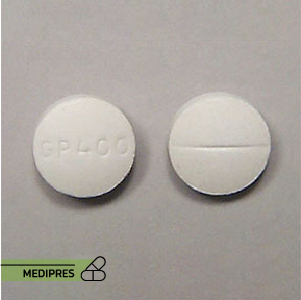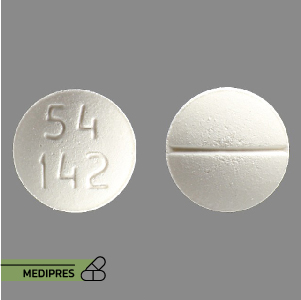

Methimazole
23 June, 2023
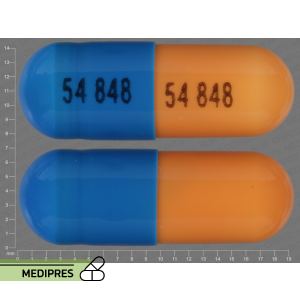
Metoprolol Succinate
23 June, 2023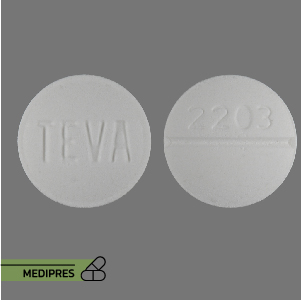
Metoclopramide
Generic name: Metoclopramide
Drug class: GI stimulants, Miscellaneous antiemetics
Dosage forms: Tablet
Root of administration: Oral, Injection
Dose: 5,10 mg, 10mg/2ml
Mechanism of action: Metoclopramide increases muscle contractions in the upper digestive tract. This speeds up the rate at which the stomach empties into the intestines.
Drug usage cases: Metoclopramide oral (taken by mouth) is used for 4 to 12 weeks to treat heartburn caused by gastroesophageal reflux in people who have used other medications without relief. Metoclopramide oral is also used to treat gastroparesis (slow stomach emptying) in people with diabetes, which can cause heartburn and stomach discomfort after meals. Metoclopramide injection is used to treat severe diabetic gastroparesis. The injection is also used to prevent nausea and vomiting caused by chemotherapy or surgery, or to aid in certain medical procedures involving the stomach or intestines.
Drug contra indications: You should not use metoclopramide if you are allergic to it, or if you have:
tardive dyskinesia (a disorder of involuntary movements), stomach or intestinal problems such as a blockage, bleeding, or perforation (a hole or tear in your stomach or intestines), epilepsy or other seizure disorder, an adrenal gland tumor (pheochromocytoma); or if you’ve ever had muscle movement problems after using metoclopramide or similar medicines. Tell your doctor if you have ever had:
liver or kidney disease, problems with muscle movements, congestive heart failure or a heart rhythm disorder, high blood pressure, seizures, breast cancer, Parkinson’s disease, diabetes; or depression or mental illness. This medicine may contain phenylalanine. Check the medication label if you have phenylketonuria (PKU). Metoclopramide is not approved for use by anyone younger than 18 years old.
side effects: Get emergency medical help if you have signs of an allergic reaction to metoclopramide: hives; difficult breathing; swelling of your face, lips, tongue, or throat. Stop taking metoclopramide and call your doctor at once if you have any of these SIGNS OF A SERIOUS MOVEMENT DISORDER, which may occur within the first 2 days of treatment:
tremors or shaking in your arms or legs, uncontrolled muscle movements in your face (chewing, lip smacking, frowning, tongue movement, blinking or eye movement); or any new or unusual muscle movements you cannot control. Call your doctor at once if you have:
confusion, depression, thoughts of suicide or hurting yourself, slow or jerky muscle movements, problems with balance or walking, mask-like appearance in your face, a seizure, anxiety, agitation, jittery feeling, trouble staying still, trouble sleeping, swelling, feeling short of breath, rapid weight gain; or severe nervous system reactionvery stiff (rigid) muscles, high fever, sweating, confusion, fast or uneven heartbeats, tremors, feeling like you might pass out.
Warnings: Do not use this medicine if you’ve ever had muscle movement problems after using metoclopramide or similar medicines, or if you’ve had a movement disorder called tardive dyskinesia. You also should not use this medicine if you’ve had stomach or intestinal problems (a blockage, bleeding, or a hole or tear), epilepsy or other seizure disorder, or an adrenal gland tumor (pheochromocytoma). NEVER USE METOCLOPRAMIDE IN LARGER AMOUNTS THAN RECOMMENDED, OR FOR LONGER THAN 12 WEEKS. High doses or long-term use can cause a serious movement disorder that may not be reversible. The longer you use metoclopramide, the more likely you are to develop this movement disorder. The risk of this side effect is higher in diabetics and older adults (especially women). Before you take metoclopramide, tell your doctor if you have kidney or liver disease, congestive heart failure, high blood pressure, diabetes, Parkinson’s disease, or a history of depression. Do not drink alcohol. It can increase some of the side effects of metoclopramide.
Stop using metoclopramide and call your doctor at once if you have tremors or uncontrolled muscle movements, fever, stiff muscles, confusion, sweating, fast or uneven heartbeats, rapid breathing, depressed mood, thoughts of suicide or hurting yourself, hallucinations, anxiety, agitation, seizure, or jaundice (yellowing of your skin or eyes).
Use during pregnancy or breastfeeding: Tell your doctor if you are pregnant. Metoclopramide may harm an unborn baby if you use the medicine during late pregnancy. It may not be safe to breast-feed a baby while you are using this medicine. Ask your doctor about any risks.